Common Auto Accident Injuries
The injuries we see most after a North County collision — especially rear-end crashes on the 5 or 78 — follow a consistent pattern. Many do not feel severe at the scene.
- Whiplash — neck strain from rapid acceleration and deceleration
- Cervical disc bulge or herniation
- Mid-back and rib strain from seatbelt loading
- Lower back pain and lumbar disc injury
- Shoulder strain from bracing on the steering wheel
- Concussion symptoms — headache, dizziness, fogginess
- TMJ pain from clenching at the moment of impact
Why Immediate Care Matters
Soft-tissue injuries follow a predictable inflammatory timeline. The first 72 hours determine how the tissue lays down scar — and how mobile you stay long-term.
Patients who wait three to four weeks before starting care often need significantly longer treatment to reach the same outcome. Insurance carriers also scrutinize delays in care and use them to discount claims.
If you have been in an accident, get evaluated within the first week — even if you feel okay. Many whiplash injuries do not present pain until day three to seven.
Documentation for Your Claim
Every visit is charted with objective measurements: pain scales, cervical and lumbar range of motion, orthopedic test results, and treatment delivered. Imaging reports are integrated into the chart.
When your case resolves, we send a complete discharge summary covering mechanism of injury, initial findings, treatment course, response to care, and current status. Your attorney or claims adjuster receives clean, defensible documentation.
The Treatment Process
Step 1 — Initial exam (45 to 60 minutes). The doctor takes a detailed history of the crash, performs neurological and orthopedic exams, and orders imaging if there are red flags for fracture or significant disc injury.
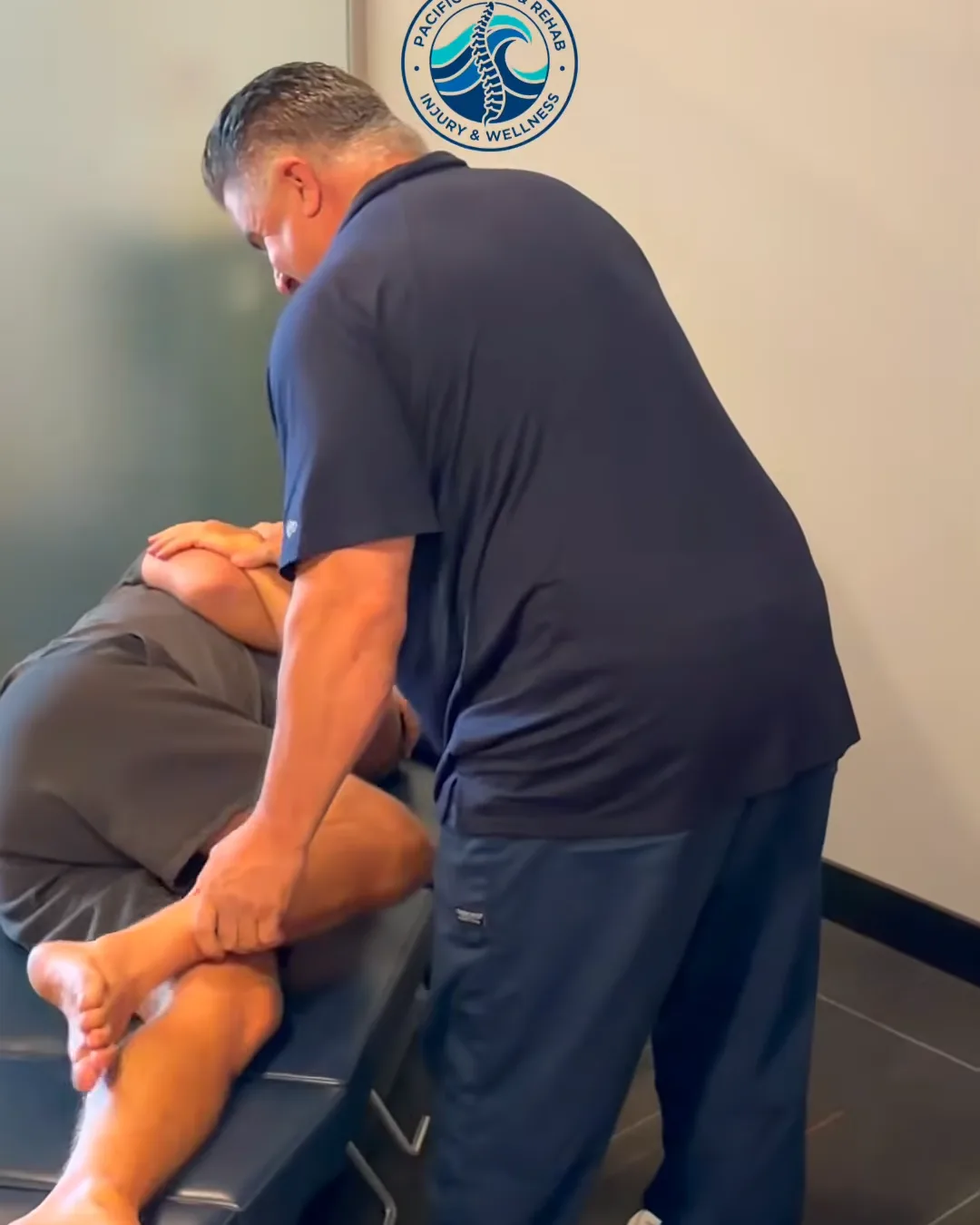
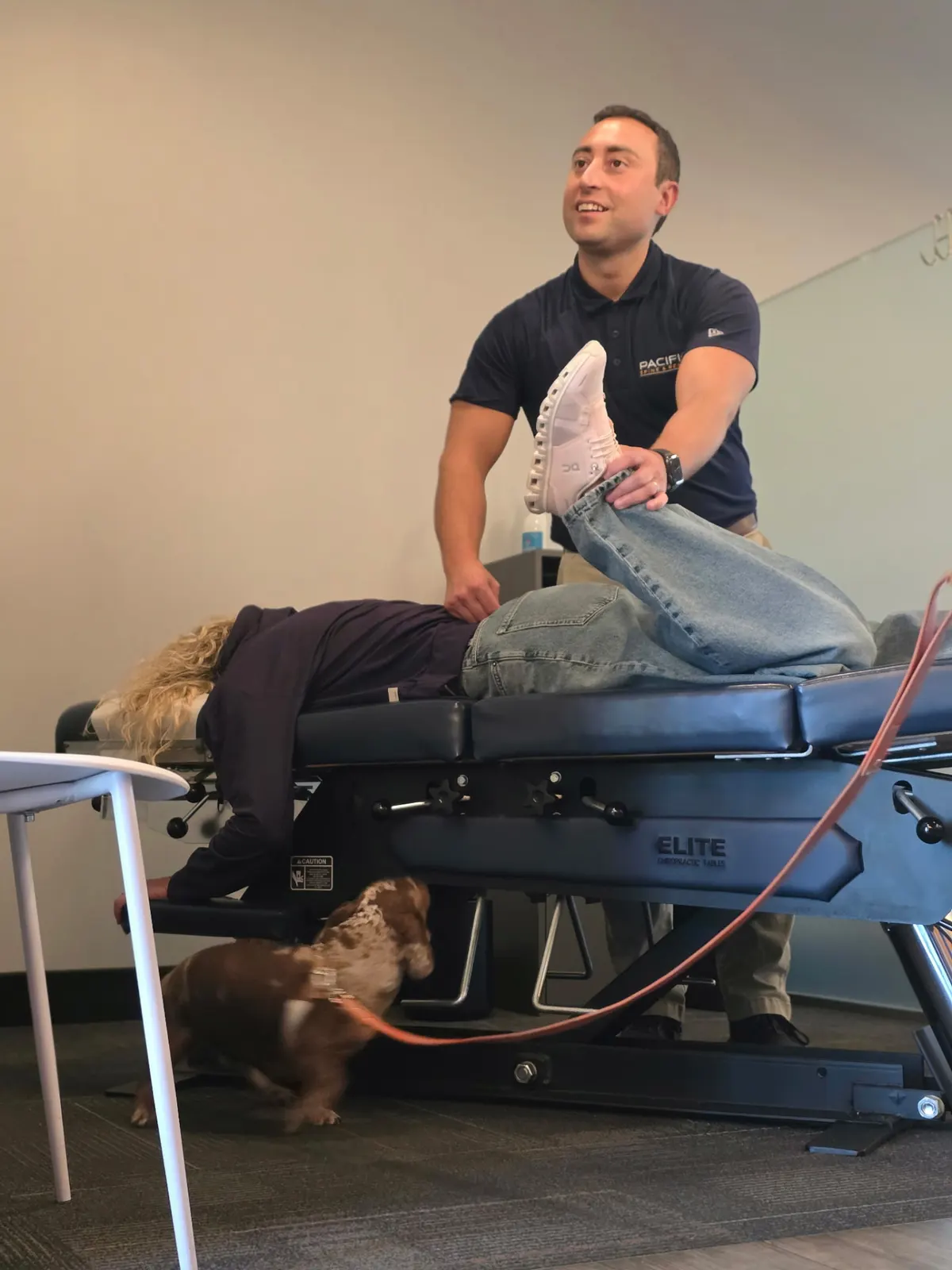
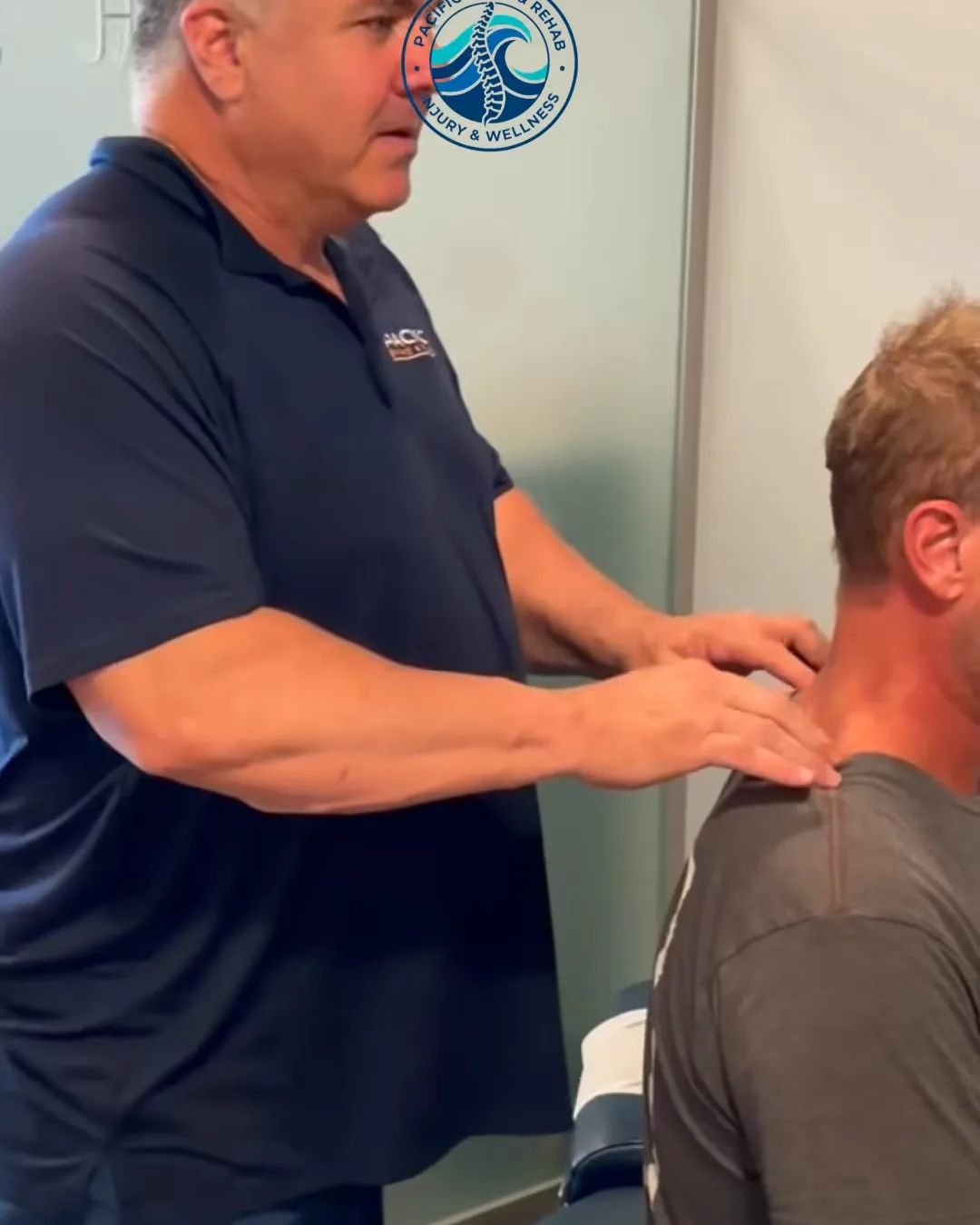
Step 2 — Acute phase (weeks 1 to 4). Focus is on reducing inflammation, restoring gentle range of motion, and protecting injured tissue. Treatment includes gentle chiropractic mobilization, soft-tissue therapy, and hydrotherapy massage.
Step 3 — Sub-acute phase (weeks 4 to 8). Treatment progresses to more active care: corrective exercise, postural retraining, and graduated load tolerance. Most whiplash patients see major improvement in this window.
Step 4 — Reassessment and discharge. When objective measurements return to baseline and symptoms resolve, you are discharged with a maintenance plan if you want one.
Insurance and Lien Care
We accept first-party auto insurance (MedPay), third-party personal injury (PI) claims, and treatment on lien through your attorney. We do not participate with most health insurance plans, but auto-related care is billed through the auto carrier or PI claim — not your health plan.
If you have not retained an attorney yet, you can still start treatment. We document the care from visit one so the record is ready when representation is in place.
Recovery Expectations
Most uncomplicated whiplash cases resolve within 6 to 10 weeks of consistent care. Cases involving disc injury, prior cervical issues, or higher-speed collisions often require 3 to 6 months.
Two predictors stand out: how quickly you started care after the crash, and how consistently you attend visits and complete home exercises. Patients who follow the plan recover faster than patients who freelance.