
Chiropractic first visit
$49
- Consultation
- Full exam and movement screen
- First chiropractic treatment
Updated October 11, 2026
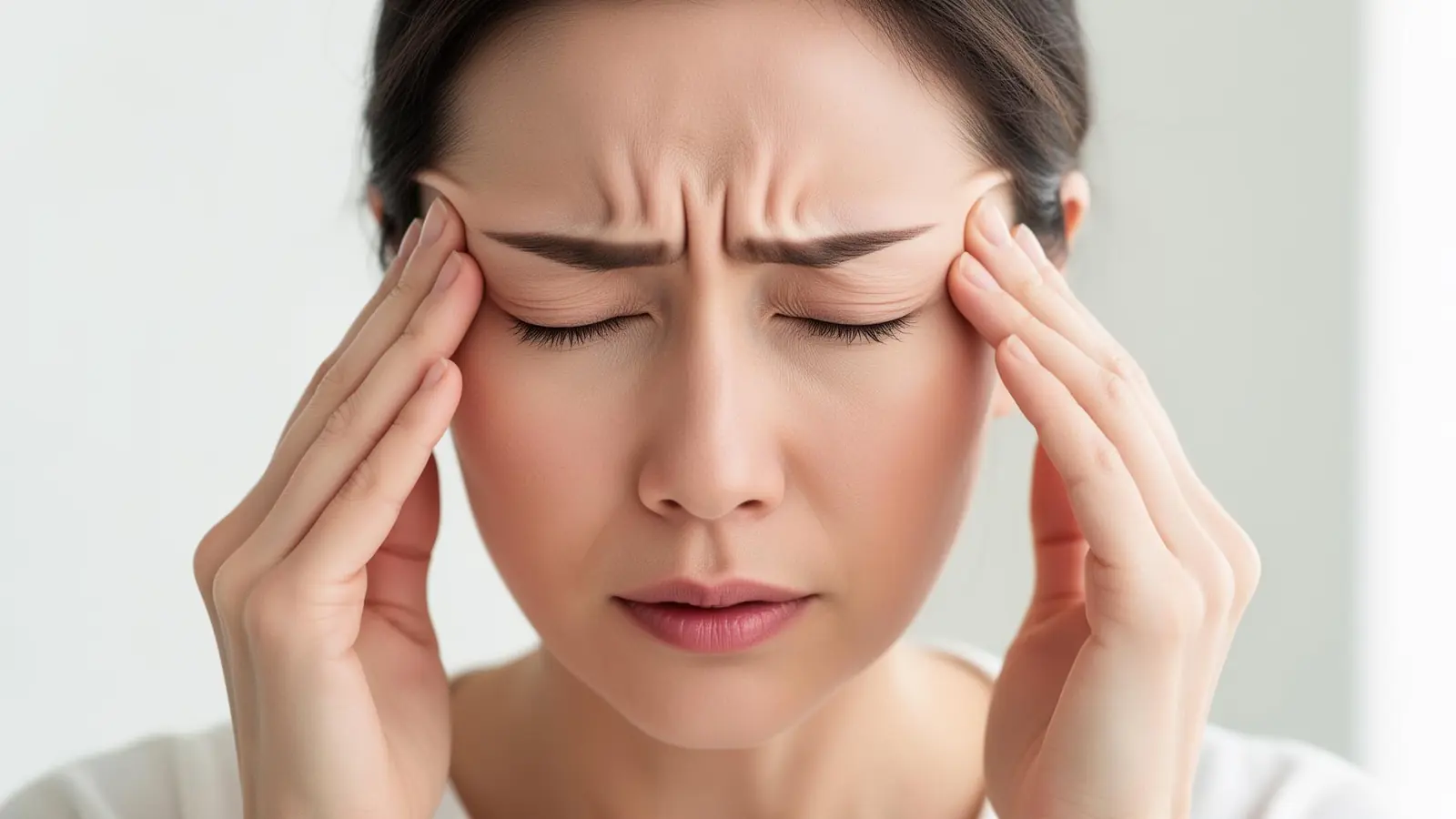
Recurring head pain — including tension, cervicogenic, and migraine headaches — often driven or worsened by neck and upper-back dysfunction.
Quick answer
Headache relief at our Oceanside and Carlsbad offices focuses on tension and neck-related headaches with drug-free care. Recurring head pain — including tension, cervicogenic, and migraine headaches — often driven or worsened by neck and upper-back dysfunction. New patients start with the $49 special: consultation, exam and first treatment in Oceanside or Carlsbad.
New patient offer
$49
First visit
About 45 to 60 minutes
Offices
Oceanside + Carlsbad (Bressi Ranch)
Insurance
PI and MedPay accepted. Most health plans not accepted.
Head pain
Most chronic headaches have a mechanical component in the upper neck. When the cervical joints, deep neck flexors, and suboccipital muscles aren't doing their job, the nervous system stays primed for a headache.
We evaluate every headache patient for cervicogenic drivers, posture patterns, and migraine triggers — then build a plan to reduce both frequency and intensity.
Is this you?
New patient special
Pick your first visit at our Oceanside or Carlsbad office. Same-day appointments most weekdays.
Chiropractic first visit
$49
Shockwave first visit
$75
New patients only. Same-day first treatment when appropriate. Personal injury and auto accident claims are billed on lien instead. Available at both offices. See details
Causes
Headaches have many drivers — but mechanical dysfunction in the upper cervical spine is one of the most overlooked. The C1, C2, and C3 nerve roots refer pain into the head, mimicking tension headaches and migraines.
Common triggers we look for: posture, dehydration, sleep disruption, jaw clenching, hormone shifts, and food sensitivities. Identifying your specific pattern is half the battle.
Risk factors
Diagnosis
Different headache types respond to different treatments. We classify your headache first, then identify the mechanical and lifestyle drivers we can change.
Your first visit
We review your history and goals before any hands-on work.
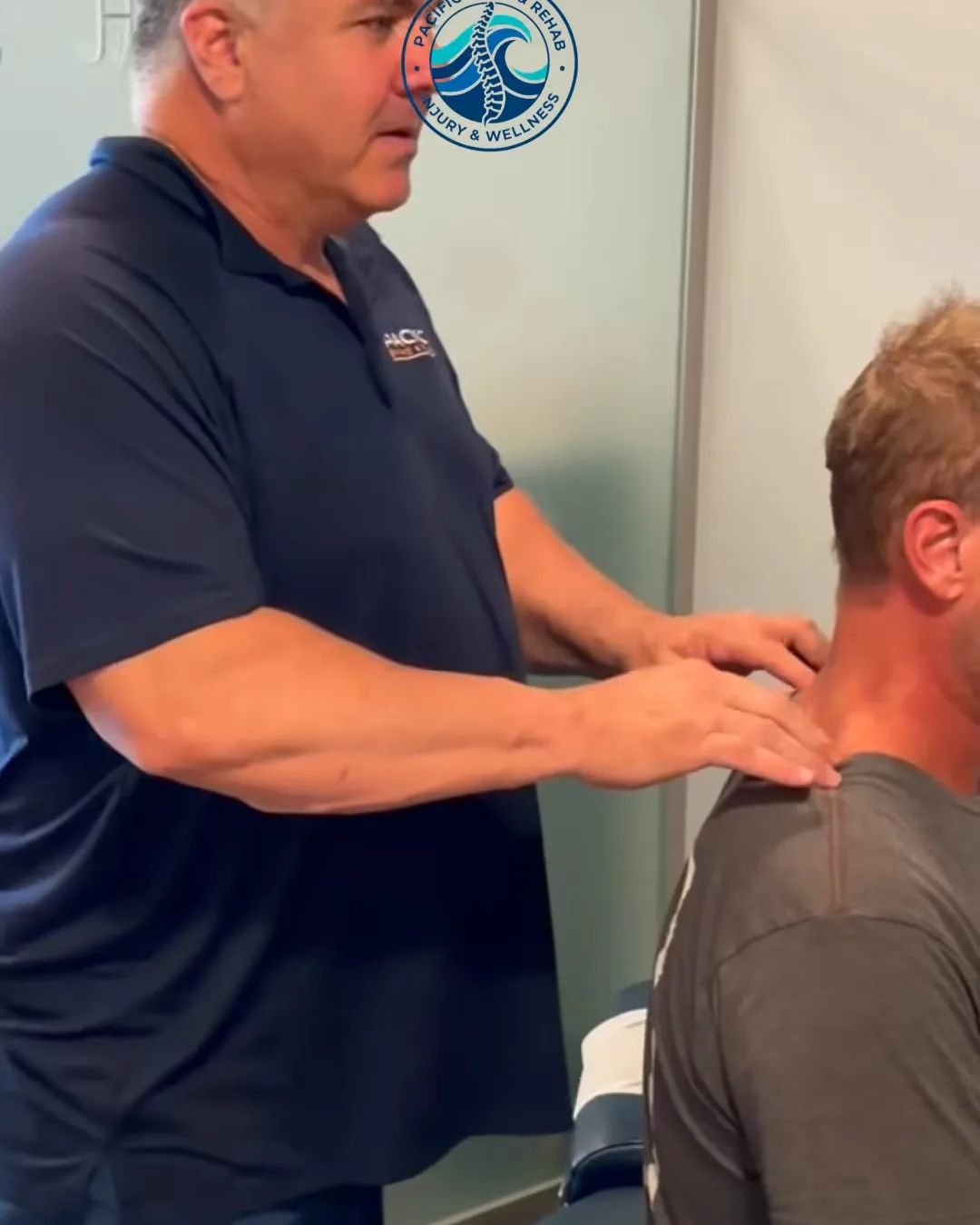
Posture, range of motion, joint mechanics and orthopedic or neurological tests.
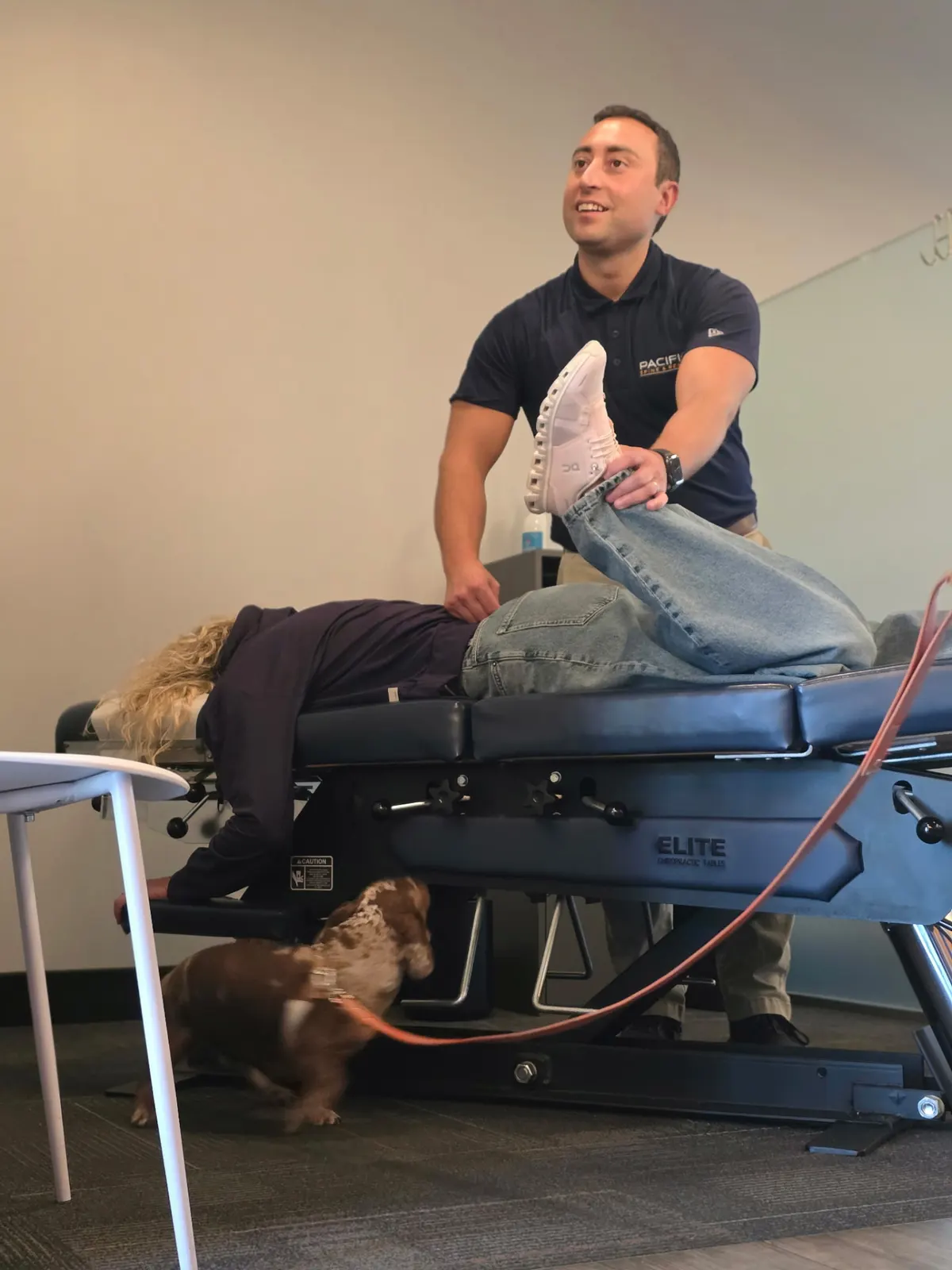
When the exam clears you, your first treatment happens the same visit.
Before you arrive
When to get seen
Most chronic headaches are not dangerous — but a few patterns require urgent evaluation. If any of the following apply, seek emergency care immediately.
Seek urgent evaluation if you have any of these:
Treatment
Prevention
Tips
Your doctors
Oceanside
Carlsbad (Bressi Ranch)
FAQ
Yes — particularly cervicogenic and tension headaches, and migraines with a mechanical neck component. Multiple studies show measurable frequency reduction with cervical care.
Most patients see frequency drop within 4–6 weeks of consistent care plus trigger management.
Never. We work alongside your physician — many patients reduce medication over time, but only with their prescribing doctor.
Yes. TMJ dysfunction is a common headache driver and one we routinely co-treat.
Yes. We use gentle, targeted techniques and screen every patient for contraindications.
Common symptoms include: dull, band-like pressure (tension headache); pain starting at the base of the skull, radiating forward; throbbing, one-sided pain (migraine); sensitivity to light or sound; nausea with or without vomiting; aura — visual changes before the headache; headaches triggered by neck movement, and pain worse with prolonged sitting or screen time.
Seek urgent evaluation if you have: sudden, severe "worst headache of your life"; headache with fever, stiff neck, and rash; headache after a head injury; new headache after age 50, and headache with vision loss, weakness, or confusion.
These habits help: hydrate consistently throughout the day; keep a regular sleep schedule; take a 1-minute posture reset every hour; strengthen the upper back and deep neck flexors; limit screen time and use a 20-20-20 rule, and track triggers in a simple weekly log.
Yes. Bring recent imaging on a disc, a portal link, or your phone. A photo of the report is also useful.
Ask the office to check your specific MedPay or personal injury claim. Pacific Spine & Rehab does not participate with most health plans.
Keep reading
Head pain
New-patient visit includes exam, diagnosis, and a written treatment plan — same-day appointments most weekdays at our Oceanside and Carlsbad offices.