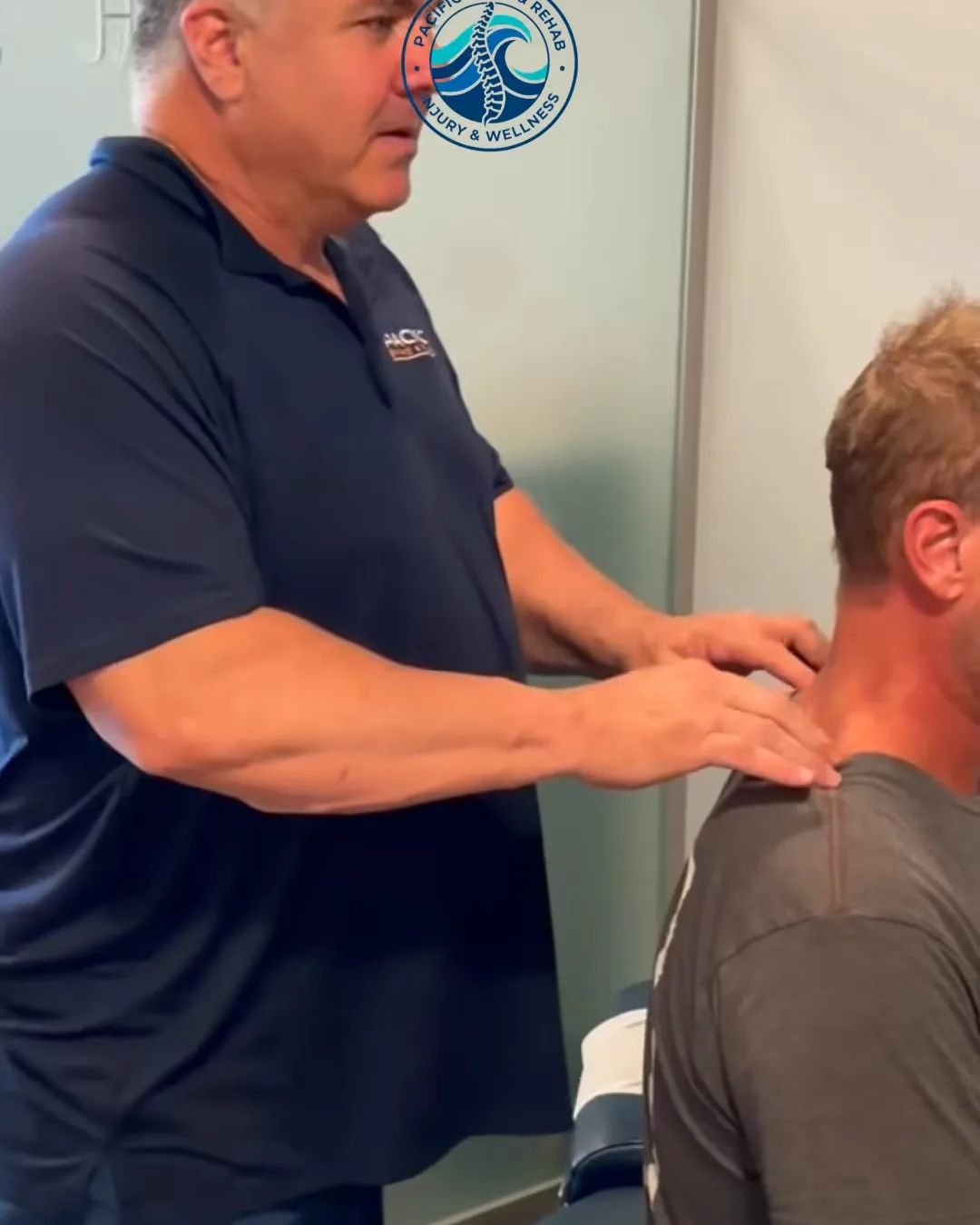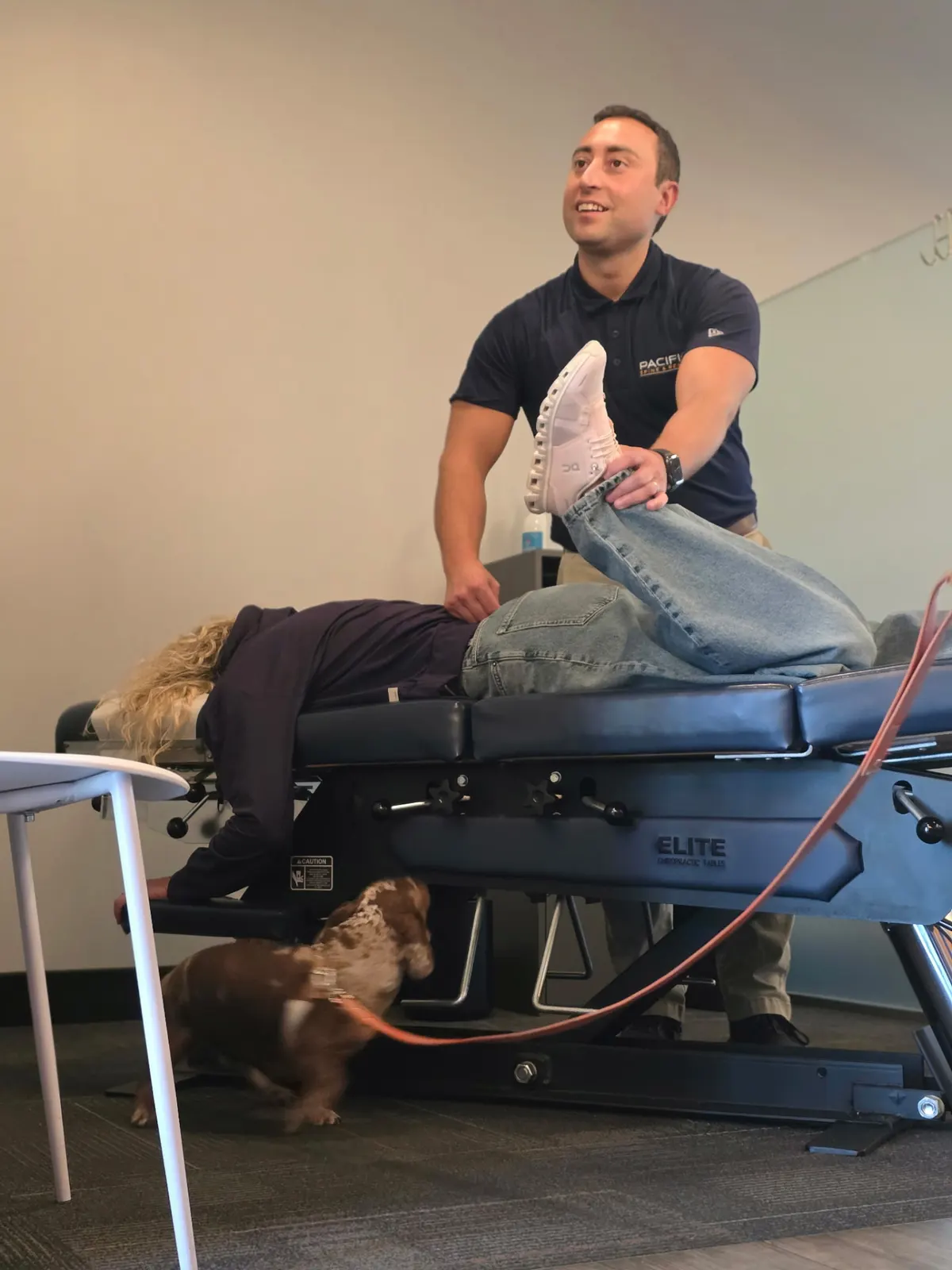
What Personal Injury Care Looks Like
Personal injury care follows the same clinical pathway as any musculoskeletal case — exam, diagnosis, treatment, and reassessment — with one important difference. Every visit is documented in a way that holds up if your case proceeds to negotiation or trial.
That means objective measurements on every visit, written treatment notes that match your symptoms, and clear discharge criteria when you have reached maximum medical improvement.
Common Personal Injury Cases We Treat
We see a range of third-party injury cases across our Oceanside and Carlsbad offices.
- Slip and fall — lower back, hip, wrist, and shoulder injuries
- Trip and fall on uneven surfaces or unmarked hazards
- Premises liability injuries from inadequate maintenance
- Dog bite musculoskeletal trauma and soft-tissue injury
- Bicycle and pedestrian incidents involving a vehicle
Why Documentation Matters
Insurance carriers and defense attorneys evaluate injury claims based on the medical record. Vague notes or inconsistent visit summaries weaken your case — even when you are clearly hurt.
Every chart we keep includes the mechanism of injury, the initial exam findings, ongoing pain scales, range-of-motion measurements, treatment delivered, and your response. Records are sent to your attorney on request.
The Treatment Process
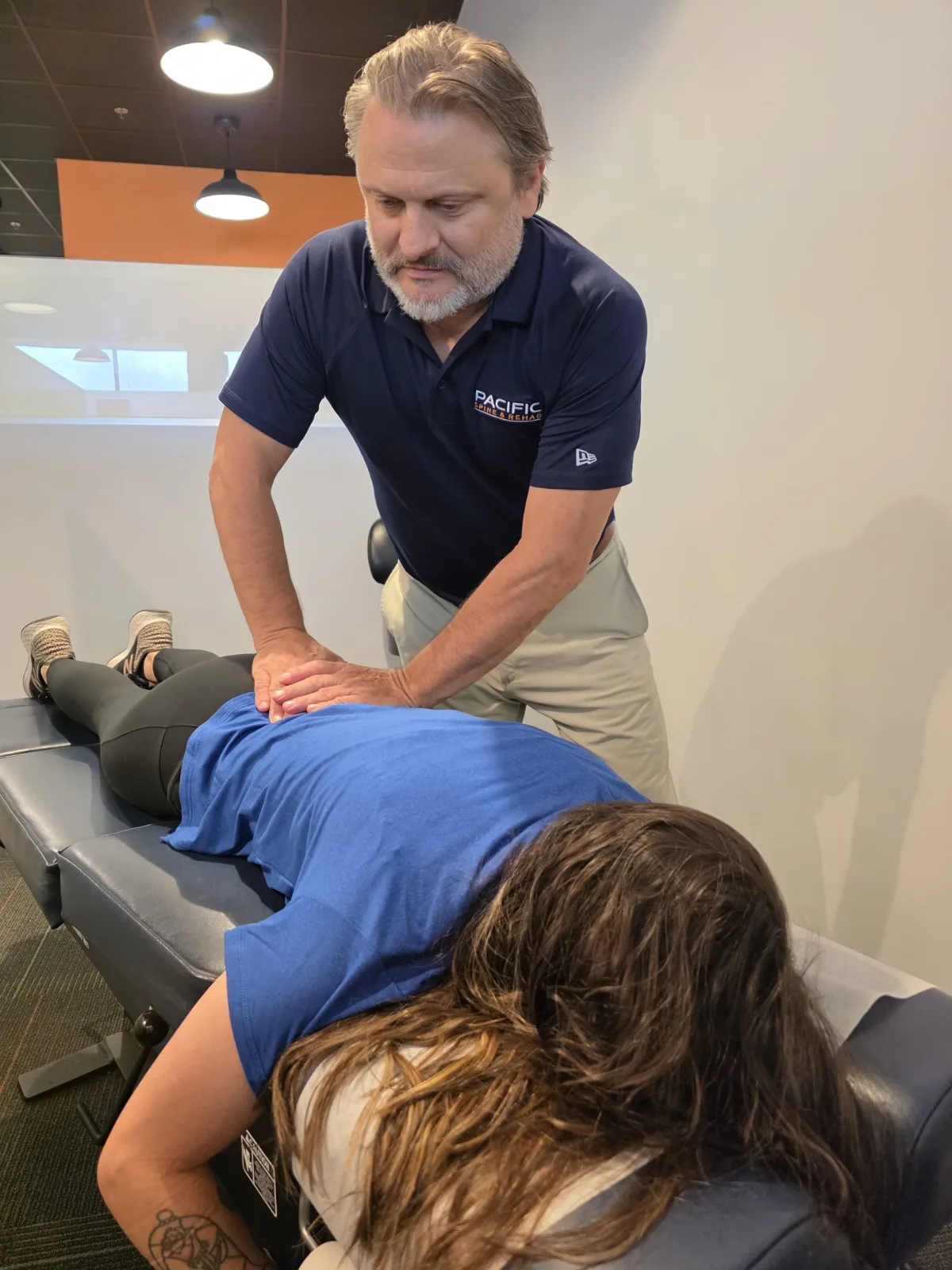
Step 1 — Initial exam. The doctor takes a complete history of the incident, performs a focused exam, and orders imaging if indicated. You leave with a diagnosis and a written care plan.
Step 2 — Active treatment. Most cases respond well to a combination of chiropractic adjustments, soft-tissue therapy, rehab exercise, and adjunct care like shockwave depending on the injury.
Step 3 — Reassessment. Every 6 to 8 visits we re-measure and decide whether to progress, change approach, or refer out for advanced imaging or specialist input.
Step 4 — Discharge. When you have reached maximum medical improvement, we write a complete discharge summary that your attorney can use in negotiation.
Working With Attorneys
We work routinely with personal injury attorneys across North County San Diego. If you already have representation, we coordinate directly with their office. If you do not have an attorney yet and need a referral, we can suggest local firms — though the decision is always yours.
We are clinicians, not lawyers. We do not give legal advice or take a position on liability. We diagnose and treat your injuries and document the care.
Recovery Expectations
Most personal injury cases respond within 6 to 12 weeks of consistent care. Soft-tissue injuries from a fall typically resolve faster than disc-related cases from a direct impact.
Recovery depends on the severity of the original injury, time elapsed before treatment began, prior musculoskeletal history, and how consistently you attend visits and complete home exercises.
Frequently Asked Questions
Related at Pacific Spine & Rehab
Services
Conditions