
Chiropractic first visit
$49
- Consultation
- Full exam and movement screen
- First chiropractic treatment
Updated October 11, 2026
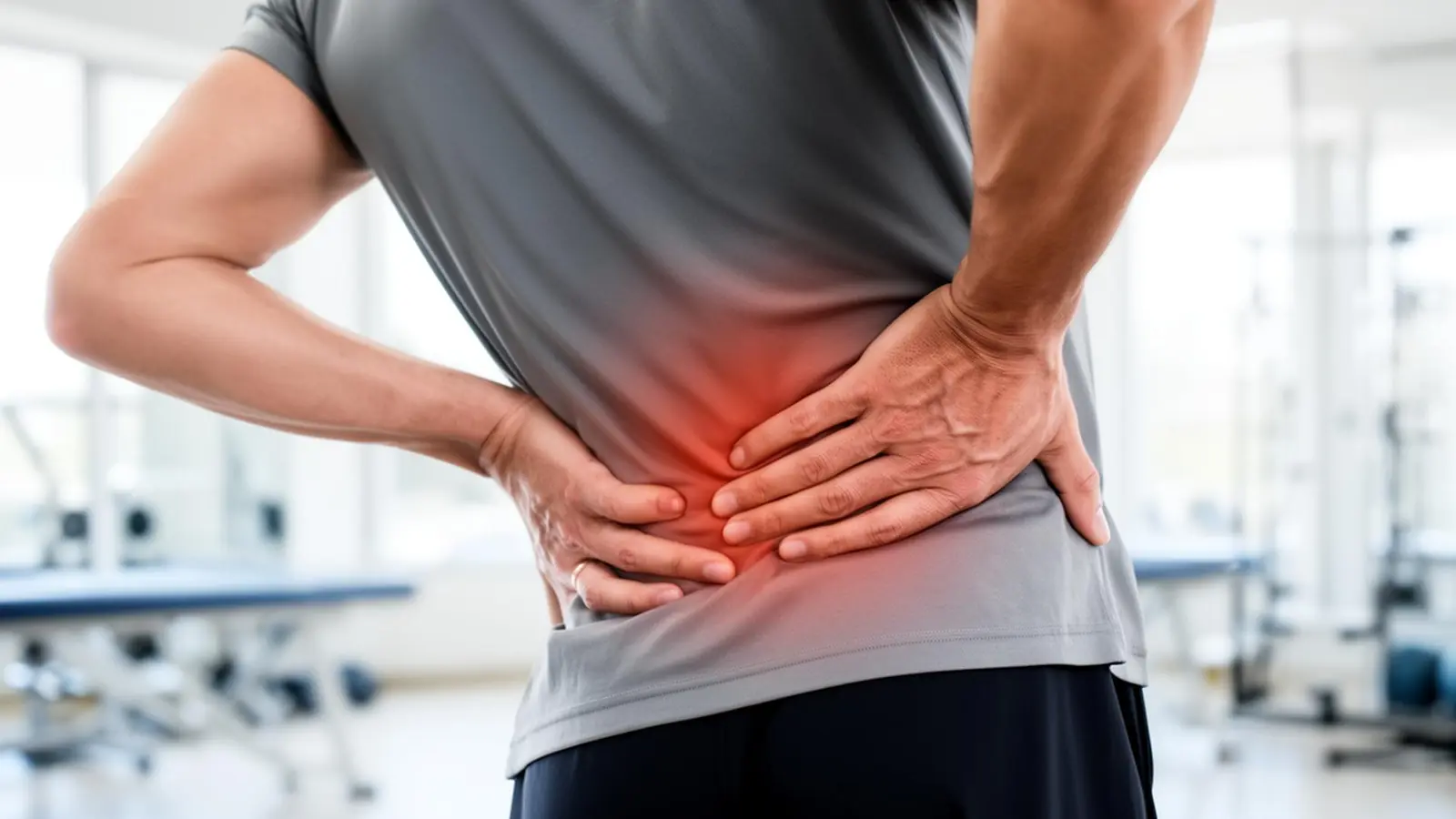
Pain in the lumbar spine — from a dull ache to sharp, movement-limiting pain — caused by joints, discs, nerves, or muscles.
Quick answer
Low back pain treatment near you is available at our Oceanside and Carlsbad offices, with drug-free back pain relief built on a real exam. New patients start with the $49 special: consultation, exam and first treatment in Oceanside or Carlsbad.
New patient offer
$49
First visit
About 45 to 60 minutes
Offices
Oceanside + Carlsbad (Bressi Ranch)
Insurance
PI and MedPay accepted. Most health plans not accepted.
Spine
Lower back pain is the leading reason adults under 45 lose work days. Most cases improve with conservative care when the root driver is identified early.
We treat lower back pain at our Oceanside and Carlsbad offices using chiropractic adjustments and active rehab. Same-day appointments most weekdays.
Is this you?
Symptoms vary by the structure involved. Track which movements help or worsen the pain — that pattern guides diagnosis.
New patient special
Pick your first visit at our Oceanside or Carlsbad office. Same-day appointments most weekdays.
Chiropractic first visit
$49
Shockwave first visit
$75
New patients only. Same-day first treatment when appropriate. Personal injury and auto accident claims are billed on lien instead. Available at both offices. See details
Causes
Lower back pain rarely comes from one isolated event. Most cases involve a combination of mechanical stress, posture, and a specific trigger — a heavy lift, a long drive, or a fall.
The most common drivers we see in clinic are facet joint irritation, lumbar disc bulges, muscle strain, and SI (sacroiliac) joint dysfunction.
Risk factors
Diagnosis
Accurate diagnosis decides everything. We do not treat blindly — every plan starts with finding which structure is actually generating your pain.
Your first visit
We review your history and goals before any hands-on work.
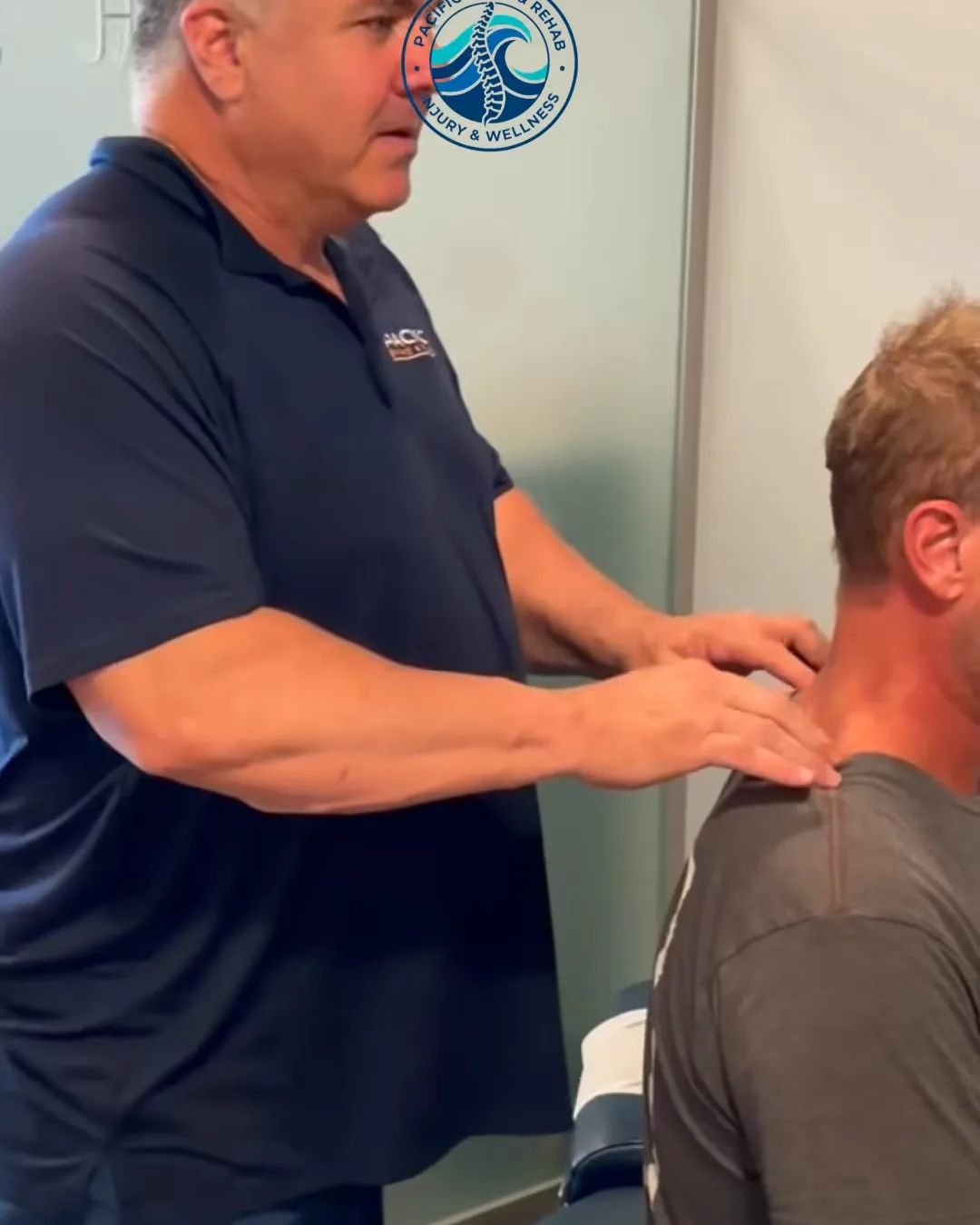
Posture, range of motion, joint mechanics and orthopedic or neurological tests.
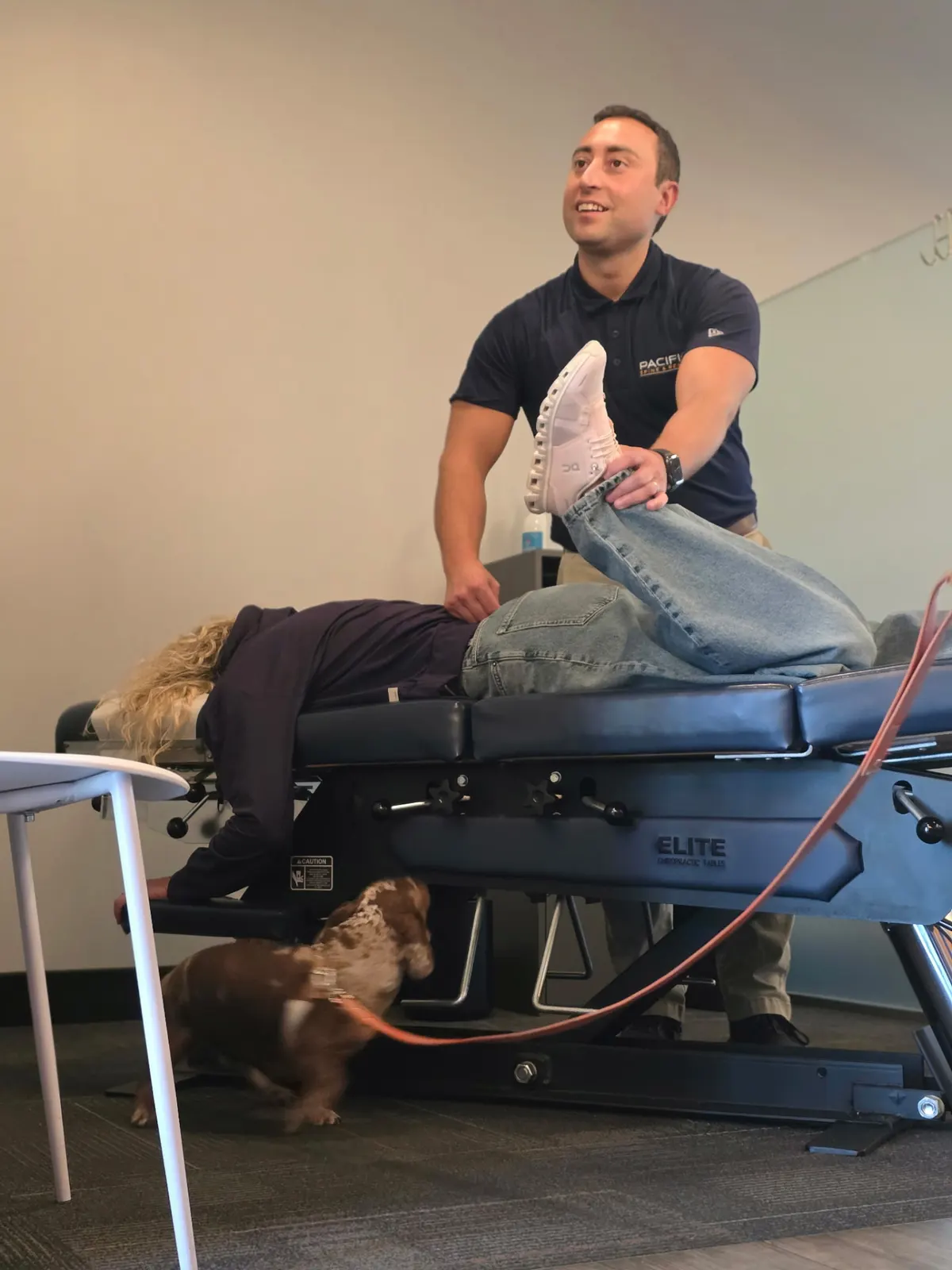
When the exam clears you, your first treatment happens the same visit.
Before you arrive
When to get seen
See a chiropractor or physician promptly if pain lasts more than a week, wakes you at night, or limits walking. Early care is consistently more effective than waiting.
Seek urgent evaluation if you have any of these:
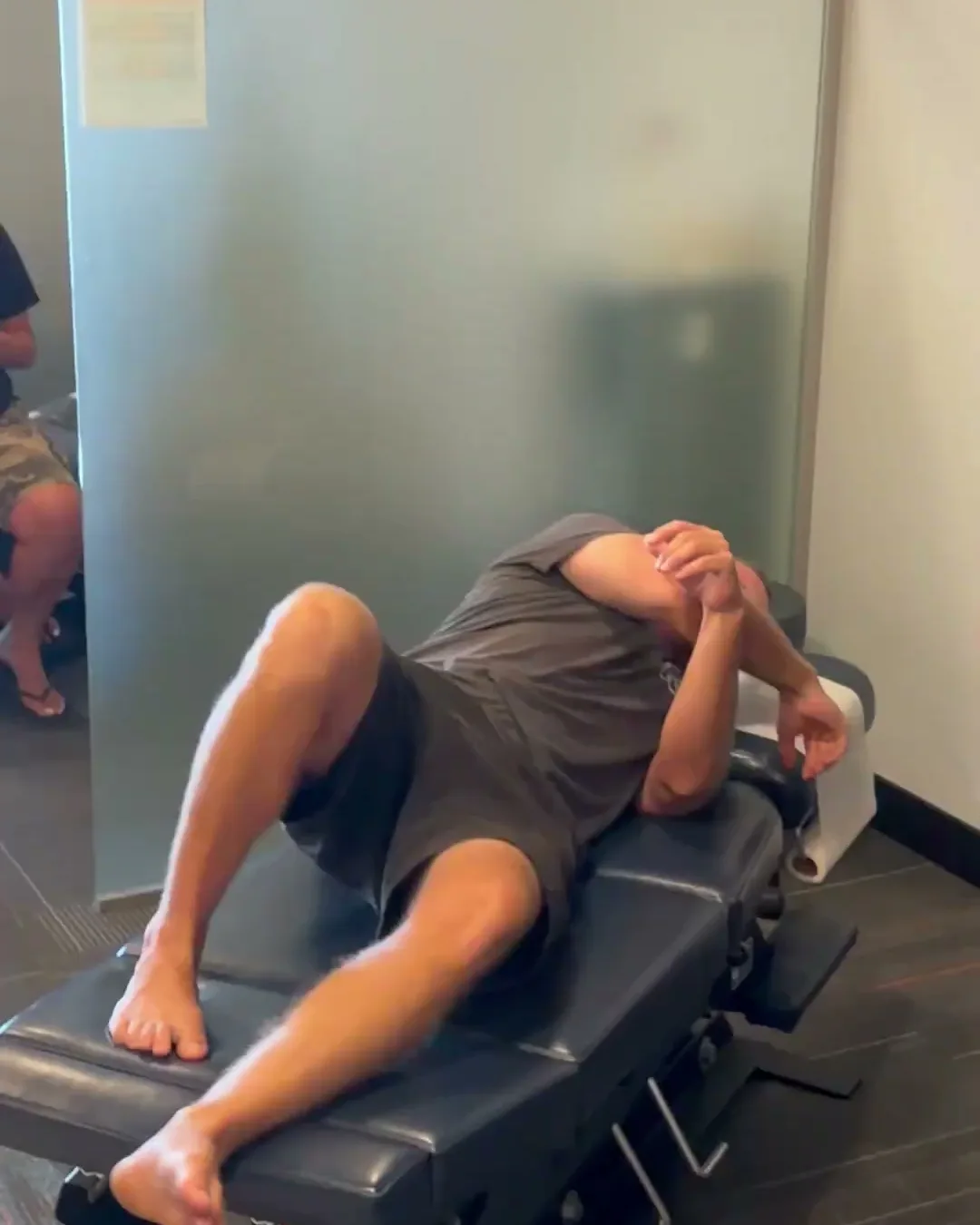
Treatment
Most patients see meaningful relief within 2–4 visits. Chronic and disc-driven cases follow a longer plan we map out on visit one.
Prevention
Tips
Your doctors
Oceanside
Carlsbad (Bressi Ranch)
FAQ
Most patients notice meaningful relief within 2–4 visits. Chronic or disc-related cases follow a 6–12 week plan we map out on visit one.
Usually no. We refer for imaging only when red flags are present, when symptoms haven't responded to 4–6 weeks of conservative care.
Yes. Conservative chiropractic care is one of the first-line treatments recommended for non-specific lower back pain by current clinical guidelines.
No. After your acute pain resolves, most patients shift to a self-managed plan with periodic tune-ups only as needed.
We accept auto (MedPay) and personal injury claims on lien. We do not participate with most health plans — verify your benefits in under a minute on our insurance page.
Common symptoms include: dull, aching pain across the lower back; sharp pain with bending, lifting, or twisting; stiffness after sitting or first thing in the morning; pain that radiates into the buttock or leg; muscle spasm or tightness on one side, and difficulty standing fully upright.
Seek urgent evaluation if you have: loss of bladder or bowel control; numbness in the groin or inner thighs (saddle anesthesia); progressive leg weakness; unexplained fever or weight loss with back pain, and back pain after a major fall or motor vehicle accident.
These habits help: hinge from the hips when lifting — keep the load close; stand and walk for 2 minutes every 30 minutes of sitting; strengthen glutes and deep core 2–3x weekly; stretch hip flexors daily if you sit a lot; sleep on your side with a pillow between knees, and set up workstation with monitor at eye level.
Keep reading
Spine
New-patient visit includes exam, diagnosis, and a written treatment plan — same-day appointments most weekdays at our Oceanside and Carlsbad offices.