
Chiropractic first visit
$49
- Consultation
- Full exam and movement screen
- First chiropractic treatment
Updated October 11, 2026
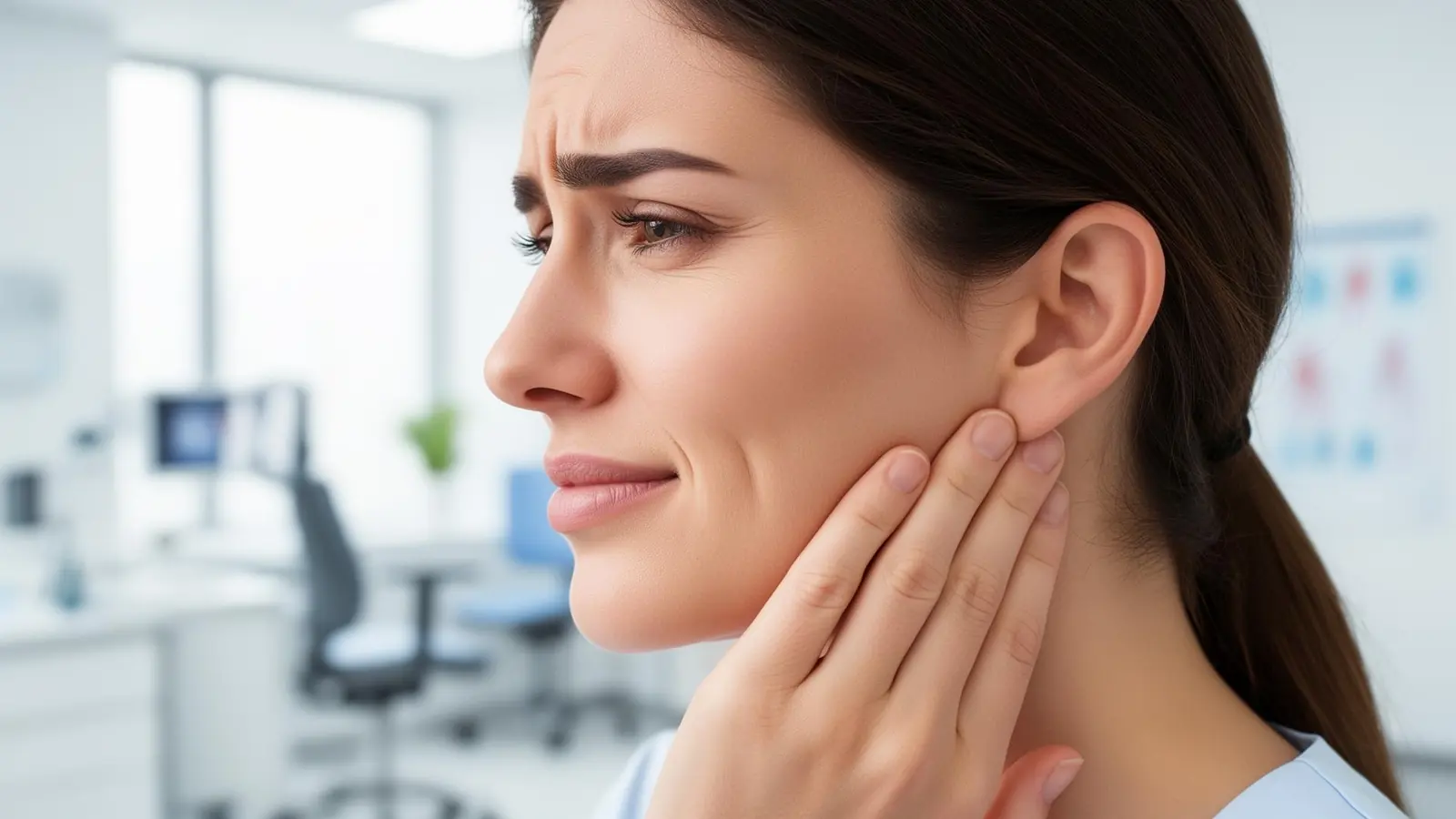
Pain or dysfunction in the temporomandibular joint — often involving clicking, restricted opening, jaw tension, and frequent headaches.
Quick answer
Pain or dysfunction in the temporomandibular joint — often involving clicking, restricted opening, jaw tension, and frequent headaches. TMJ dysfunction is one of the most under-treated drivers of head, neck, and jaw pain. New patients start with the $49 special: consultation, exam and first treatment in Oceanside or Carlsbad.
New patient offer
$49
First visit
About 45 to 60 minutes
Offices
Oceanside + Carlsbad (Bressi Ranch)
Insurance
PI and MedPay accepted. Most health plans not accepted.
Jaw
TMJ dysfunction is one of the most under-treated drivers of head, neck, and jaw pain. The jaw and upper neck share the same nervous system input — which is why we treat them together.
We work with patients and (when needed) their dentist or oral surgeon to manage TMJ pain conservatively with manual therapy, rehab, and posture correction.
Is this you?
New patient special
Pick your first visit at our Oceanside or Carlsbad office. Same-day appointments most weekdays.
Chiropractic first visit
$49
Shockwave first visit
$75
New patients only. Same-day first treatment when appropriate. Personal injury and auto accident claims are billed on lien instead. Available at both offices. See details
Causes
TMJ dysfunction usually develops from a combination of clenching, grinding, posture, and stress — rarely a single event. The chewing muscles get overworked, the joint stops tracking properly, and the upper neck joins in.
We commonly find that patients with chronic TMJ pain also have forward-head posture and upper cervical dysfunction — addressing both is what produces lasting relief.
Risk factors
Diagnosis
TMJ exam looks at the joint, the chewing muscles, the bite, and the upper neck — together. A jaw-only exam misses the most important drivers.
Your first visit
We review your history and goals before any hands-on work.
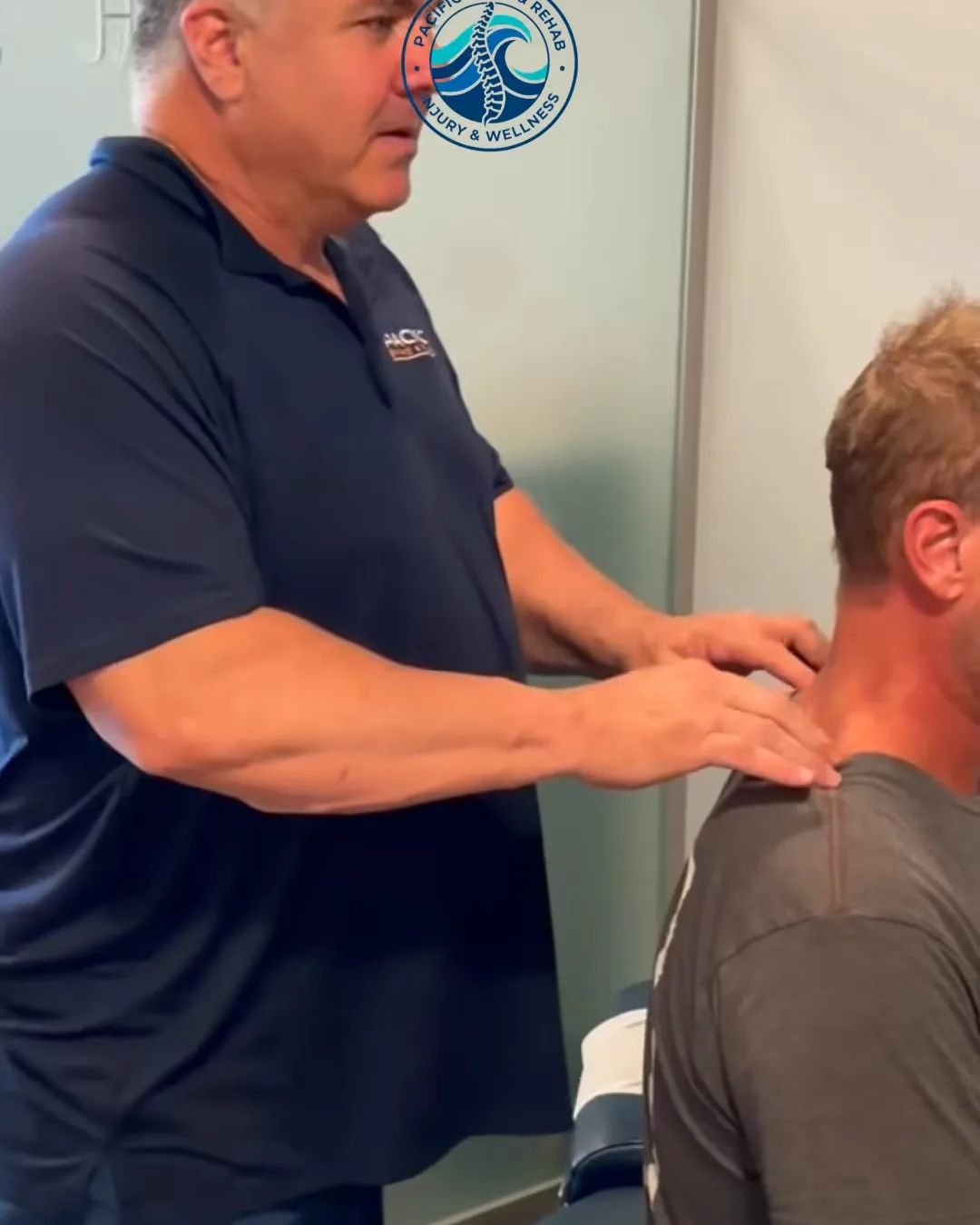
Posture, range of motion, joint mechanics and orthopedic or neurological tests.
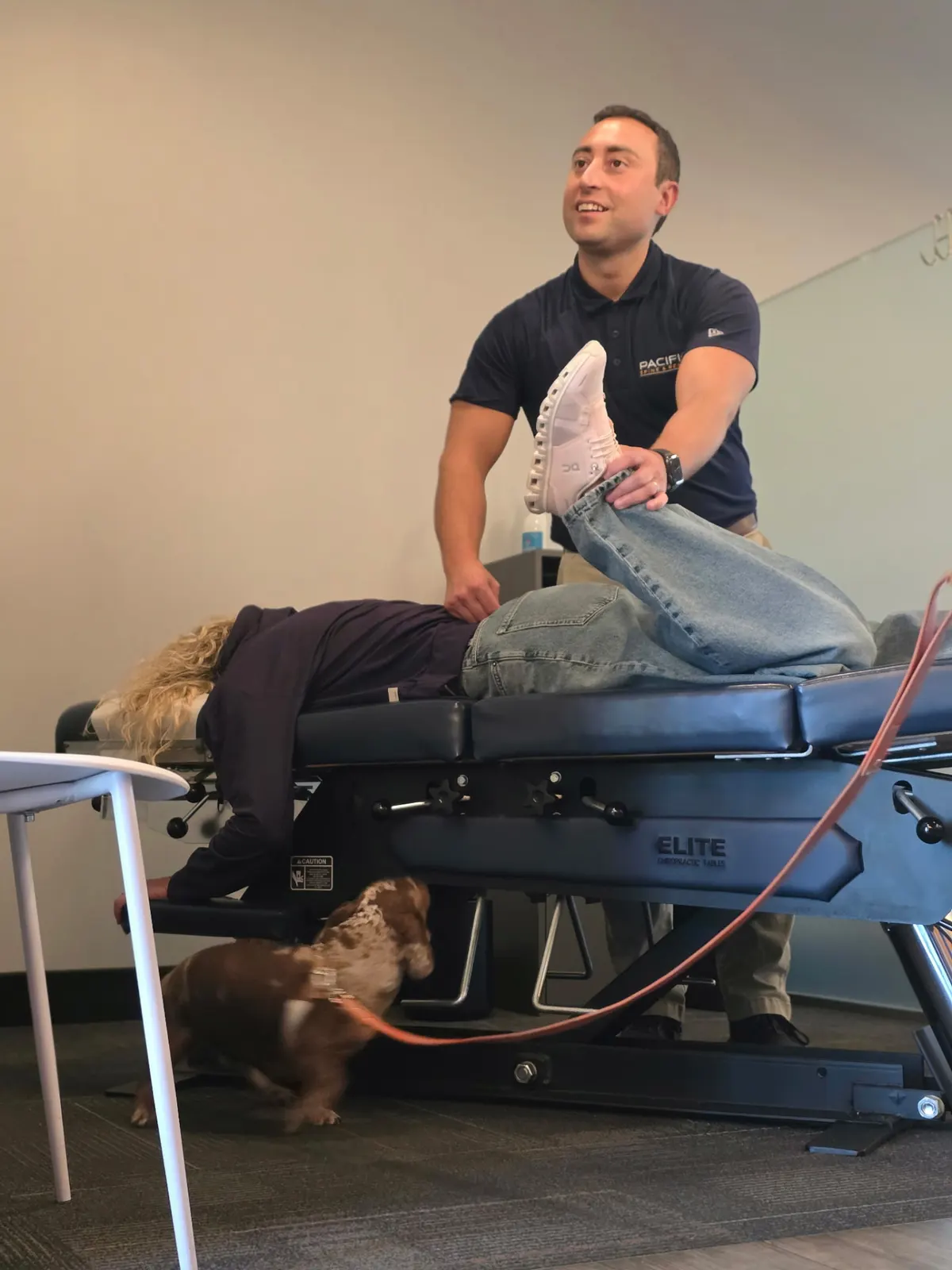
When the exam clears you, your first treatment happens the same visit.
Before you arrive
When to get seen
See a provider if jaw pain limits eating, comes with frequent headaches, or doesn't improve within 2–3 weeks of self-care.
Seek urgent evaluation if you have any of these:
Treatment
Prevention
Tips
Your doctors
Oceanside
Carlsbad (Bressi Ranch)
FAQ
Yes — particularly the muscular and upper-cervical drivers of TMJ pain. We often co-manage with your dentist for the bite-related component.
If you grind at night, often yes. Your dentist fits and prescribes the guard; we treat the muscle and joint side.
Most patients see meaningful improvement within 4–6 weeks of consistent care plus habit changes.
Frequently. The chewing muscles and upper cervical spine both refer pain into the head.
Most patients reach a manageable baseline with care and home habits. Flares can usually be self-managed once you know your triggers.
Common symptoms include: jaw pain — at rest or with chewing; clicking, popping, or grinding when opening; restricted mouth opening; locking of the jaw; ear pain or fullness with no infection; headaches at the temples; facial muscle tension or fatigue, and pain referring into the neck.
Seek urgent evaluation if you have: jaw locked open or closed; severe pain with swelling or fever; sudden change in how your teeth meet; numbness in the face, and jaw pain with chest pain or shortness of breath (emergency).
These habits help: keep teeth slightly apart unless eating; sleep on your back or side — not stomach; use a night guard if you grind; limit gum chewing and tough foods during flares; take micro-breaks to relax the jaw and shoulders, and address stress with daily breathing or movement.
Yes. Bring recent imaging on a disc, a portal link, or your phone. A photo of the report is also useful.
Ask the office to check your specific MedPay or personal injury claim. Pacific Spine & Rehab does not participate with most health plans.
Keep reading
Jaw
New-patient visit includes exam, diagnosis, and a written treatment plan — same-day appointments most weekdays at our Oceanside and Carlsbad offices.