
Shockwave first visit
$75
- Consultation
- Exam
- First shockwave therapy treatment
Updated October 11, 2026
Inflammation and degeneration of the plantar fascia — the thick band of tissue running along the bottom of the foot — causing sharp heel pain.
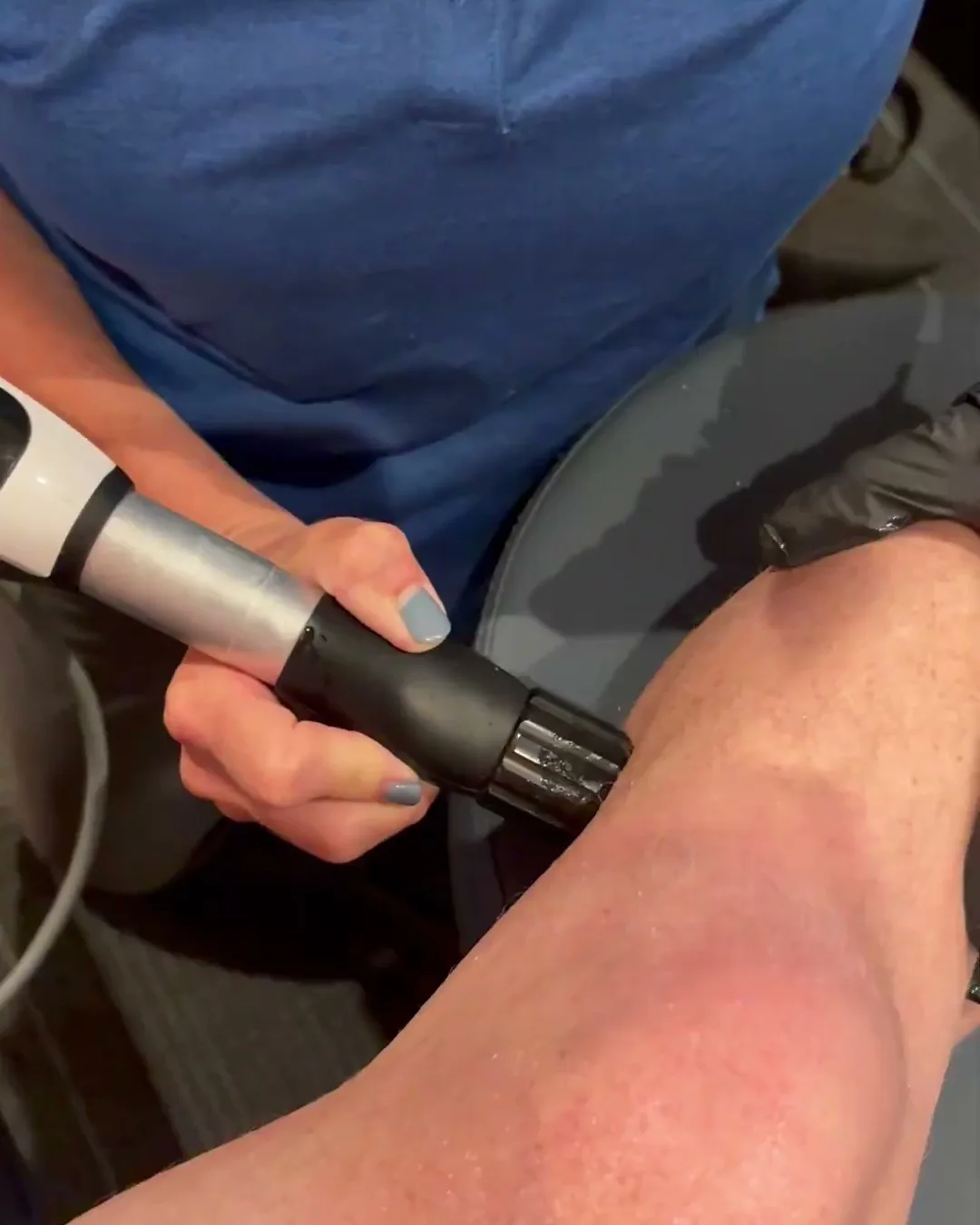
Quick answer
Inflammation and degeneration of the plantar fascia — the thick band of tissue running along the bottom of the foot — causing sharp heel pain. New patients start with the $75 special: consultation, exam and first treatment in Oceanside or Carlsbad.
New patient offer
$75
First visit
About 45 to 60 minutes
Offices
Oceanside + Carlsbad (Bressi Ranch)
Insurance
PI and MedPay accepted. Most health plans not accepted.
Foot pain
Plantar fasciitis is the most common cause of heel pain in adults. The classic sign: that brutal first-step pain when you swing your feet out of bed.
Stubborn plantar fasciitis responds exceptionally well to shockwave therapy combined with targeted calf and foot rehab. Most patients see significant relief within 4–6 sessions.
Is this you?
New patient special
Pick your first visit at our Oceanside or Carlsbad office. Same-day appointments most weekdays.
Shockwave first visit
$75
Chiropractic first visit
$49
New patients only. Same-day first treatment when appropriate. Personal injury and auto accident claims are billed on lien instead. Available at both offices. See details
Causes
Plantar fasciitis is a degenerative process, not pure inflammation — which is why anti-inflammatory medication alone rarely fixes it. The fascia has accumulated micro-damage and stopped healing properly.
Tight calves, weak intrinsic foot muscles, and sudden increases in walking, running, or standing all set the stage. Surfers, runners, nurses, servers, and teachers see this constantly.
Risk factors
Diagnosis
Diagnosis is usually clinical — meaning we don't need imaging in most cases. The story and the exam tell us almost everything.
Your first visit
We review your history and goals before any hands-on work.
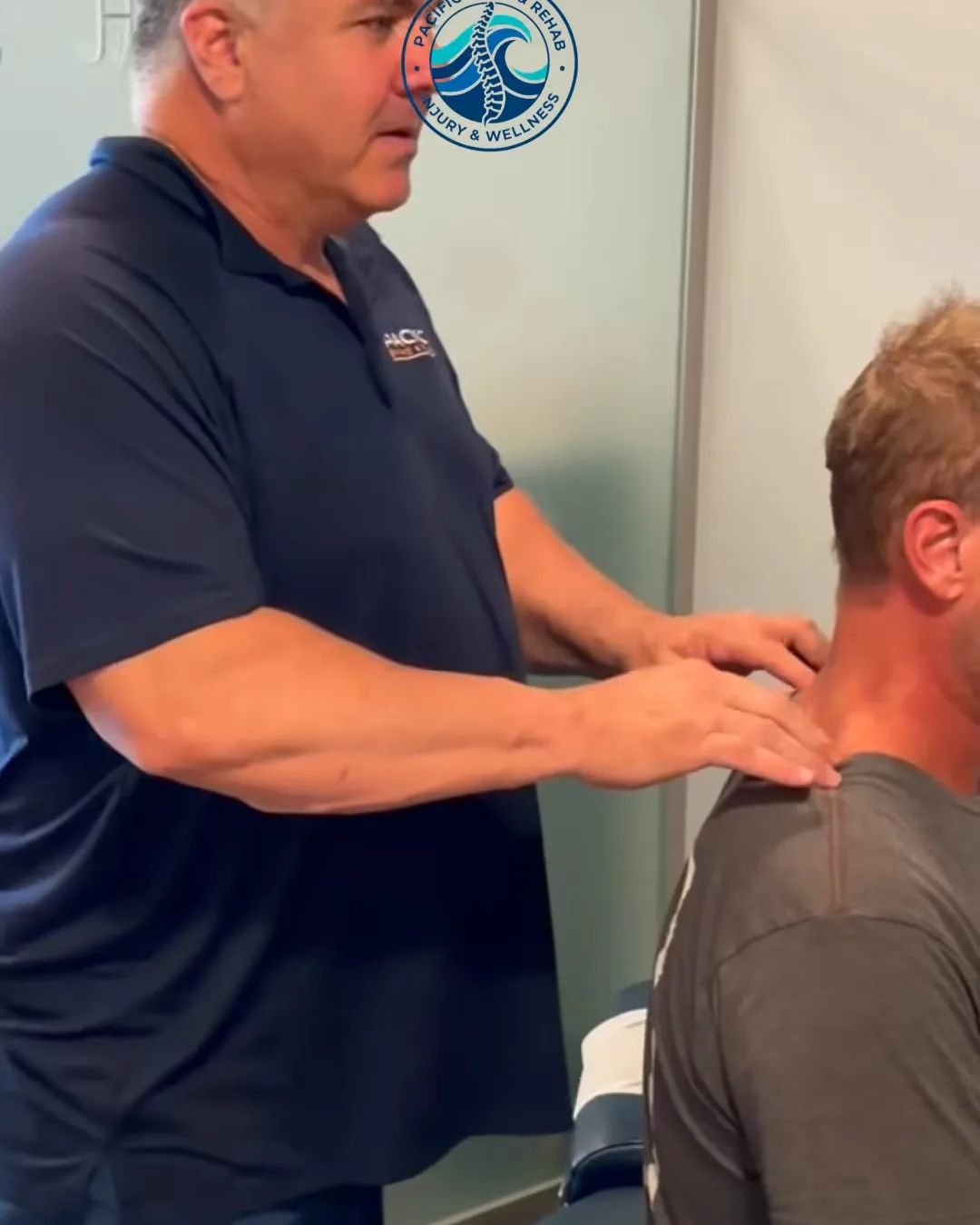
Posture, range of motion, joint mechanics and orthopedic or neurological tests.
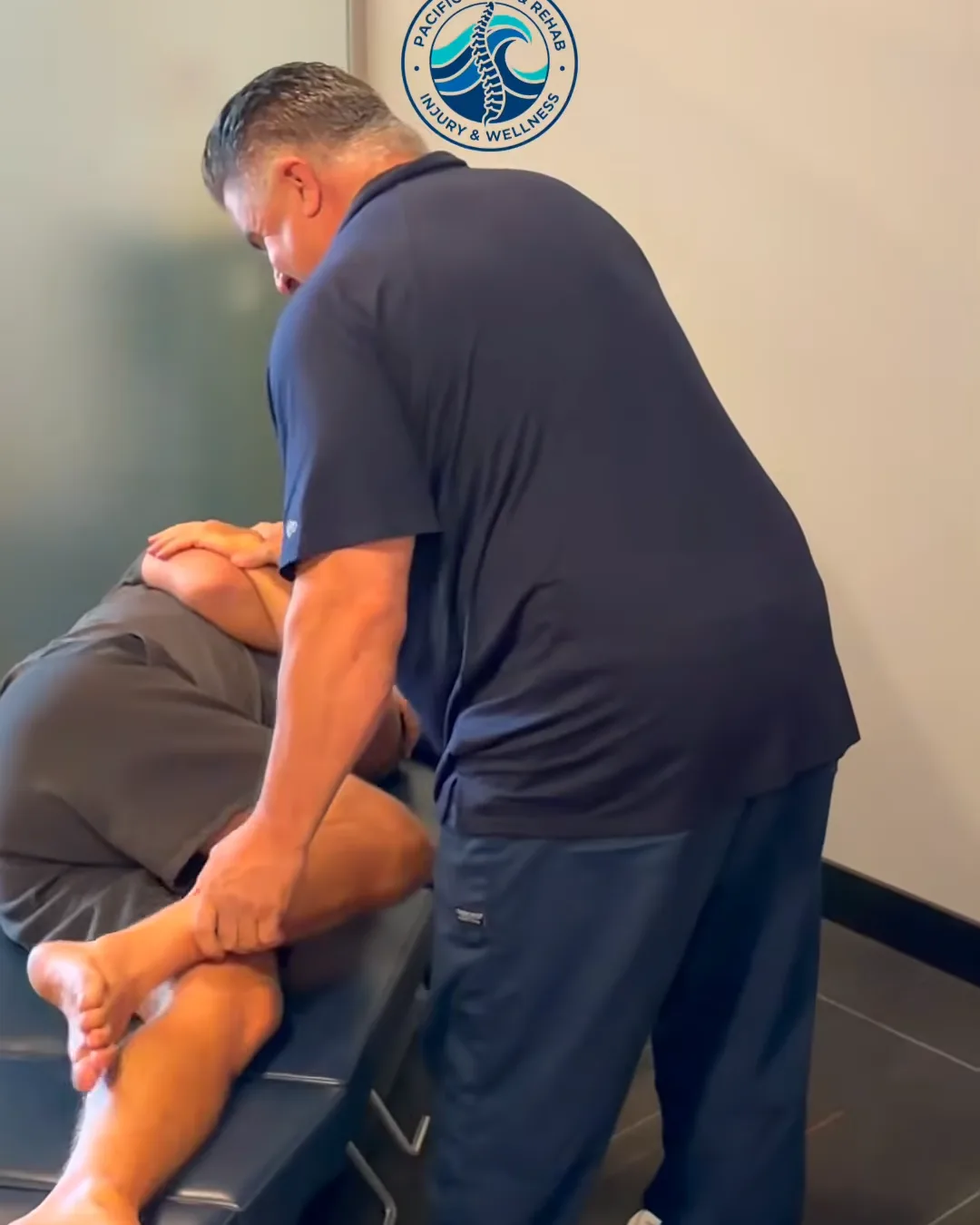
When the exam clears you, your first treatment happens the same visit.
Before you arrive
When to get seen
Get evaluated if heel pain lasts more than 2 weeks, returns every morning, or limits your daily activity. Early care prevents months of unnecessary pain.
Seek urgent evaluation if you have any of these:
Treatment
Shockwave therapy is our gold-standard treatment for cases that have not responded to stretching or rest alone.
Prevention
Tips
Your doctors
Oceanside
Carlsbad (Bressi Ranch)
FAQ
Most plantar fasciitis protocols run 4–6 sessions, once per week, with peak results 8–12 weeks after the final session.
It's intense but tolerable — patients describe it as a strong tapping. Sessions last 5–10 minutes.
Because plantar fasciitis is degeneration, not just inflammation. Rest reduces irritation but doesn't trigger tissue healing the way loaded rehab or shockwave does.
Not always. We recommend them case-by-case — sometimes a simple shoe change is enough.
Often yes, with reduced volume. We give you a specific weekly mileage and recovery plan.
Common symptoms include: sharp heel pain with your first steps in the morning; pain that improves with movement, then worsens later in the day; pain after sitting for long periods; tenderness directly under the heel; tight calves, and pain worse barefoot or in flat shoes.
Seek urgent evaluation if you have: sudden inability to bear weight; visible heel swelling or deformity; heel pain with fever; numbness or tingling spreading into the foot, and pain immediately after trauma (suspect fracture).
These habits help: stretch calves daily, especially before getting out of bed; strengthen the small foot muscles weekly; replace shoes every 300–500 miles; avoid going barefoot on hard floors; progress mileage by no more than 10% per week, and cross-train — don't run every day.
Yes. Bring recent imaging on a disc, a portal link, or your phone. A photo of the report is also useful.
Ask the office to check your specific MedPay or personal injury claim. Pacific Spine & Rehab does not participate with most health plans.
Keep reading
Foot pain
New-patient visit includes exam, diagnosis, and a written treatment plan — same-day appointments most weekdays at our Oceanside and Carlsbad offices.