
Chiropractic first visit
$49
- Consultation
- Full exam and movement screen
- First chiropractic treatment
Updated October 11, 2026
Pain in or around the knee joint — from runner's knee and patellar tendinopathy to meniscus irritation and early arthritis.
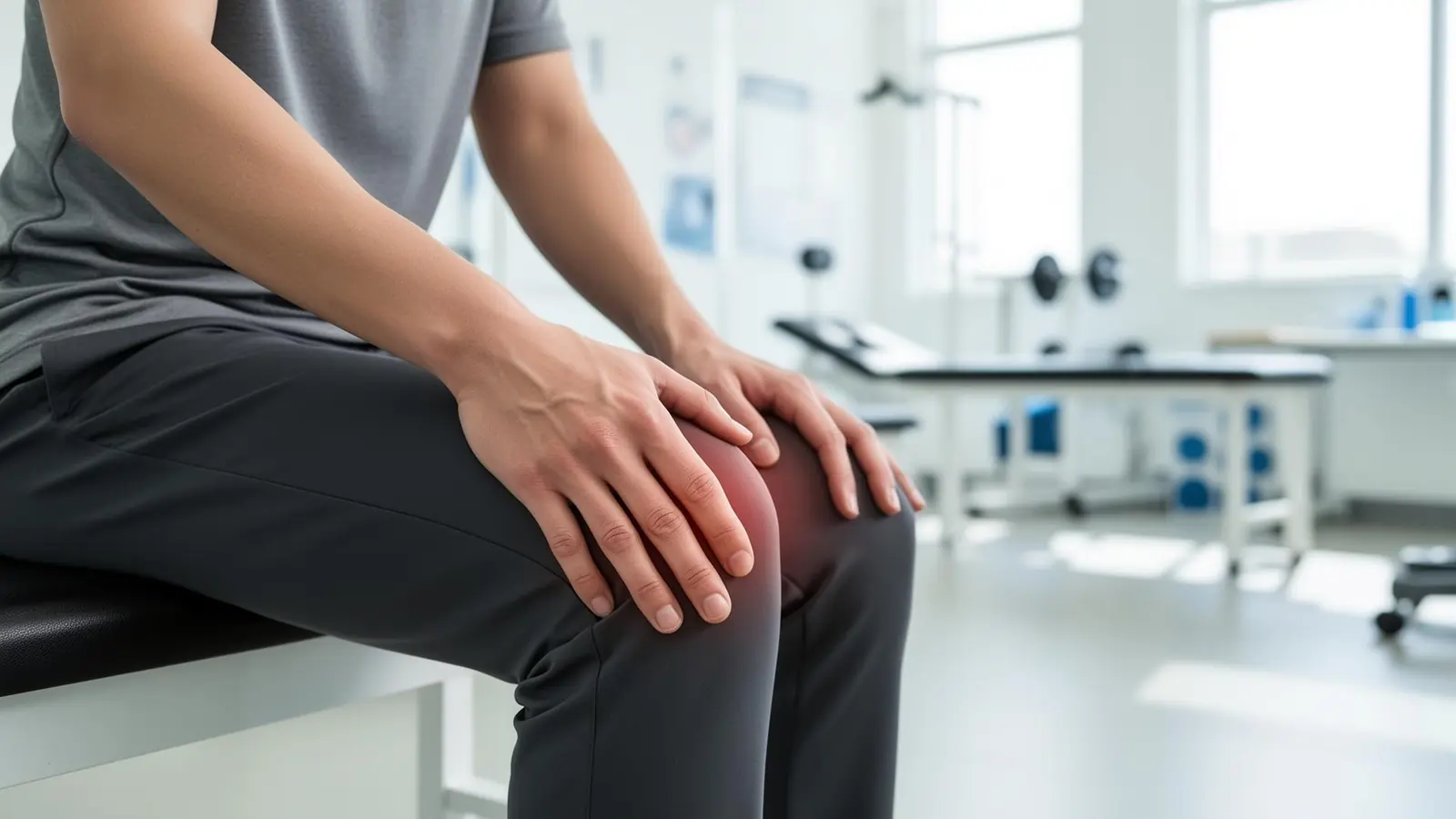
Quick answer
Pain in or around the knee joint — from runner's knee and patellar tendinopathy to meniscus irritation and early arthritis. Most chronic knee pain is not a knee problem. New patients start with the $49 special: consultation, exam and first treatment in Oceanside or Carlsbad.
New patient offer
$49
First visit
About 45 to 60 minutes
Offices
Oceanside + Carlsbad (Bressi Ranch)
Insurance
PI and MedPay accepted. Most health plans not accepted.
Knee
Most chronic knee pain is not a knee problem. It's a hip and ankle problem the knee is paying for. We screen the whole chain — that's why our knee patients get lasting relief.
We treat knee pain at our Oceanside and Carlsbad offices using rehab, shockwave for tendinopathies, and joint work for stiffness. Most patients avoid surgery and injections.
Is this you?
New patient special
Pick your first visit at our Oceanside or Carlsbad office. Same-day appointments most weekdays.
Chiropractic first visit
$49
Shockwave first visit
$75
New patients only. Same-day first treatment when appropriate. Personal injury and auto accident claims are billed on lien instead. Available at both offices. See details
Causes
The most common knee pain we see is patellofemoral pain ("runner's knee"), patellar and quadriceps tendinopathy, IT band irritation, meniscus inflammation, and early osteoarthritis.
The biggest driver of most non-traumatic knee pain is poor mechanics up- or downstream — weak glutes, stiff ankles, or a hip that doesn't move well.
Risk factors
Diagnosis
We diagnose the knee in the context of the hip and ankle. Treating only the knee misses the cause in most chronic cases.
Your first visit
We review your history and goals before any hands-on work.
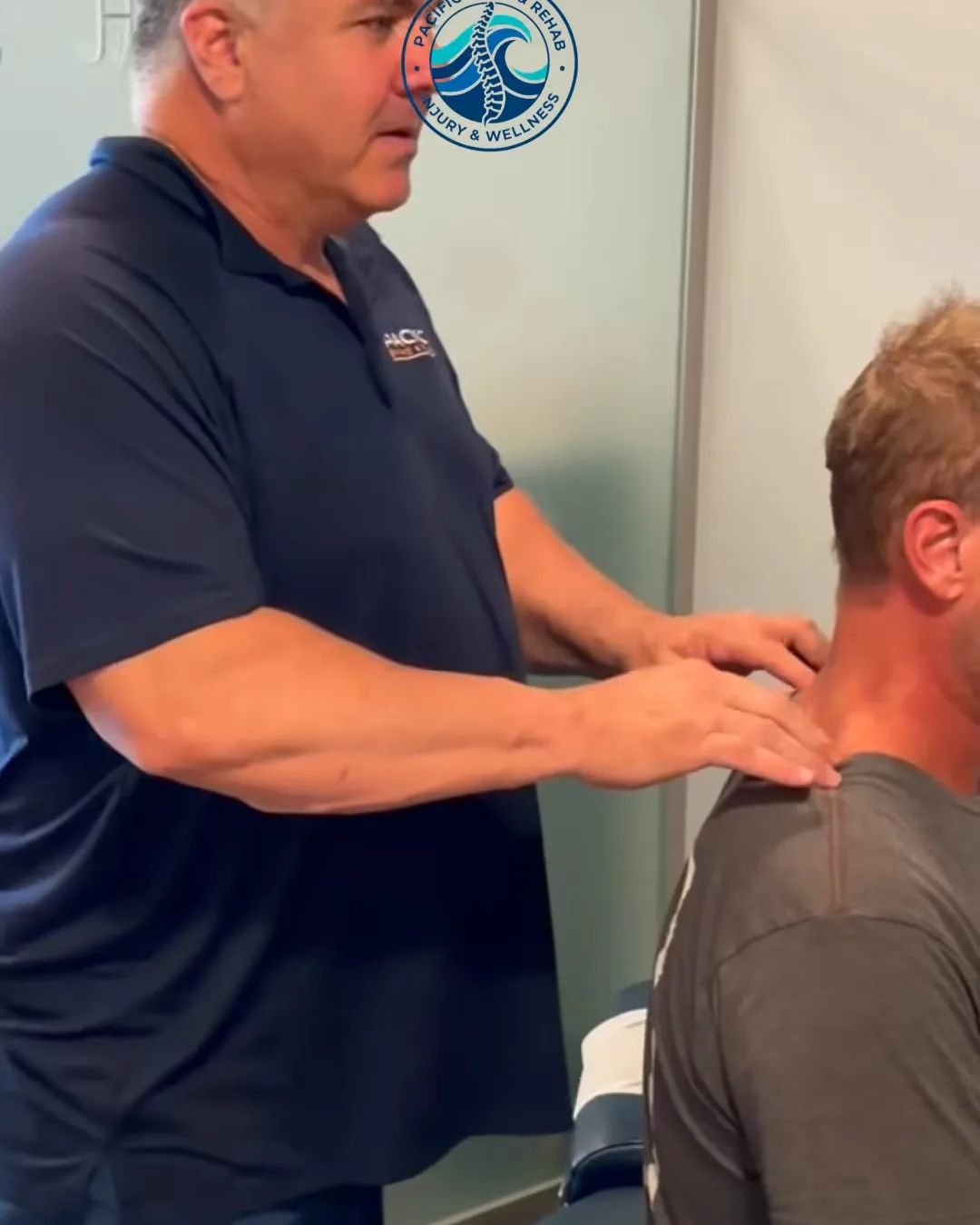
Posture, range of motion, joint mechanics and orthopedic or neurological tests.
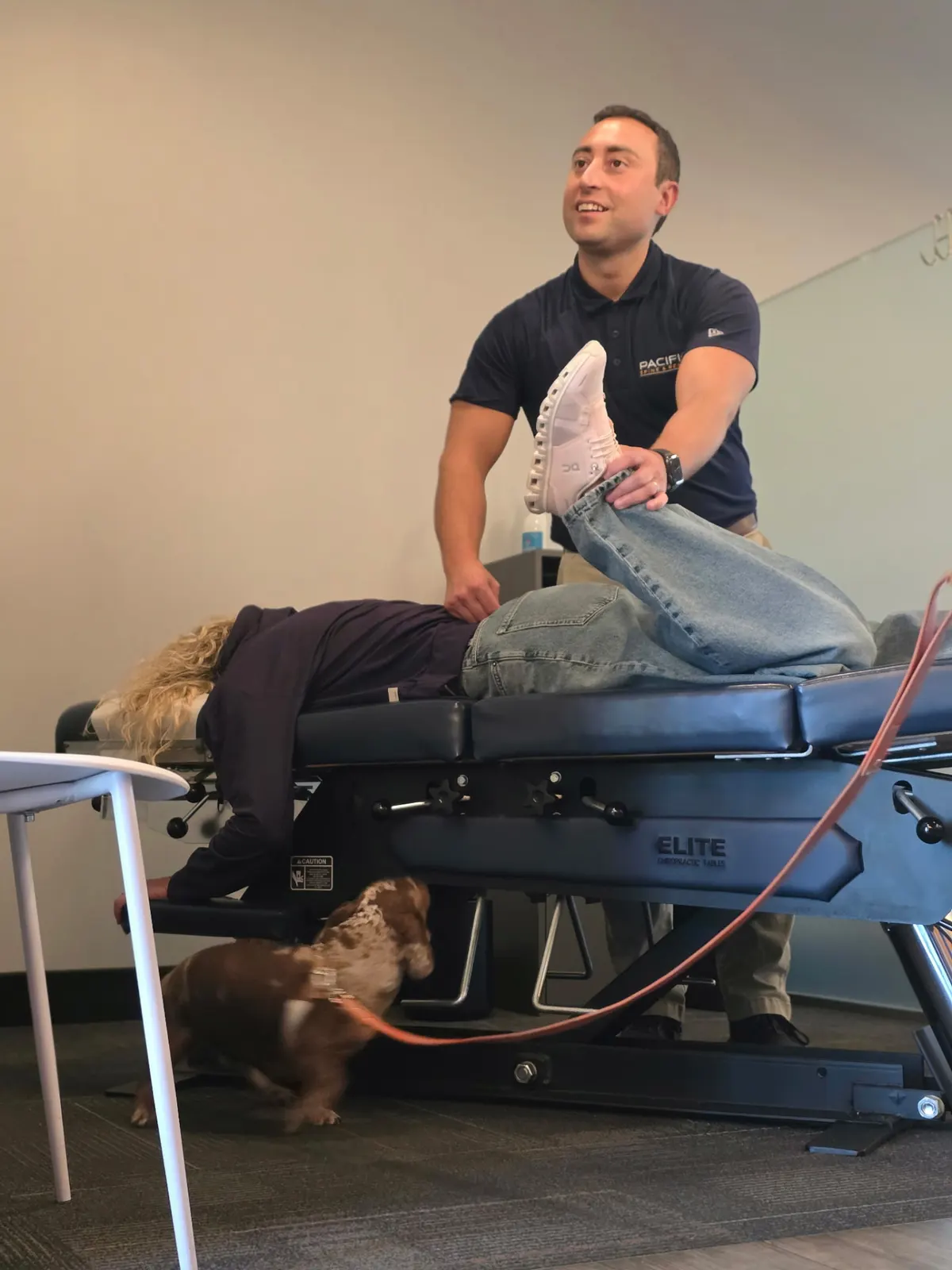
When the exam clears you, your first treatment happens the same visit.
Before you arrive
When to get seen
See a provider if knee pain lasts more than 2 weeks, swells repeatedly, or limits walking and stairs.
Seek urgent evaluation if you have any of these:
Treatment
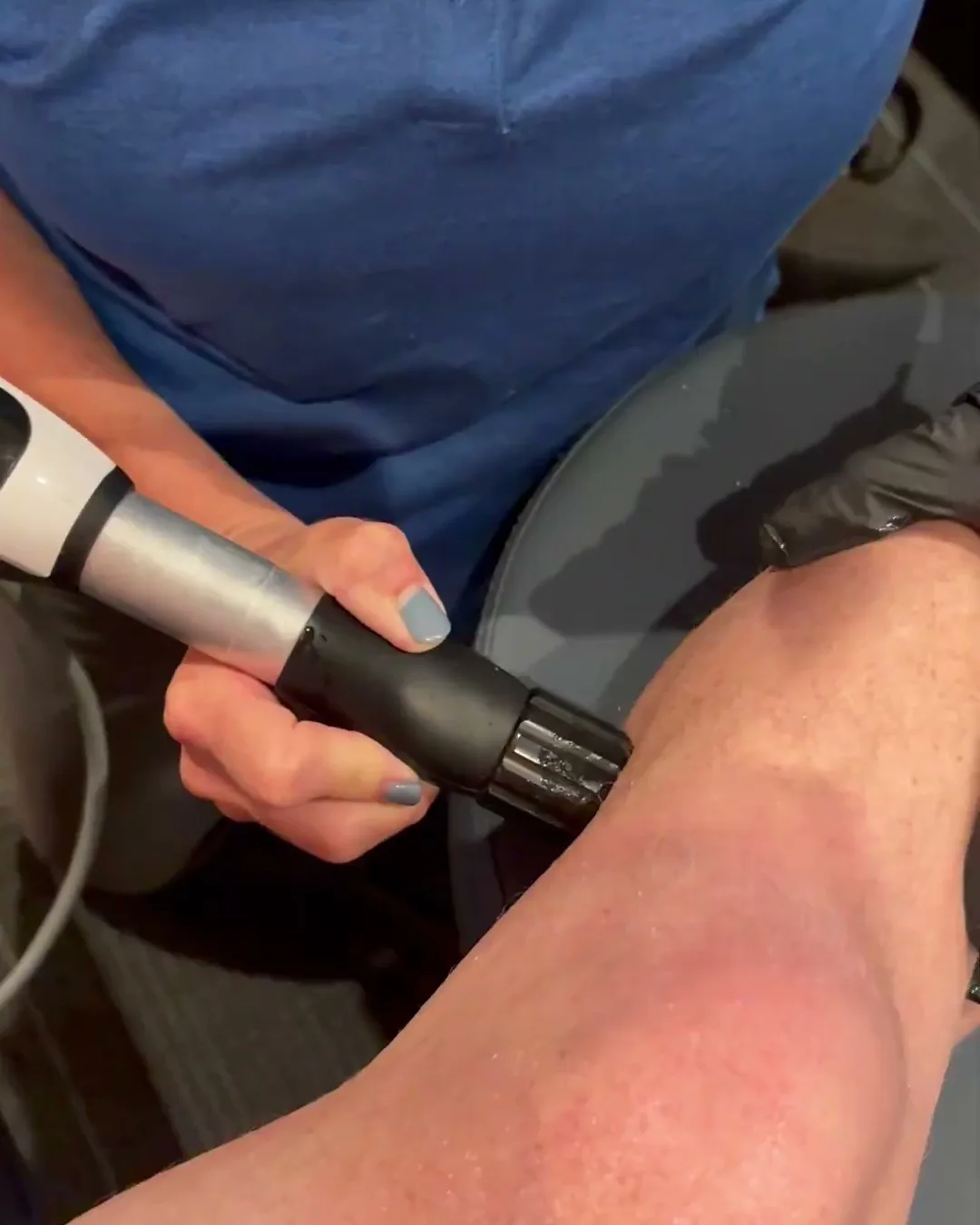
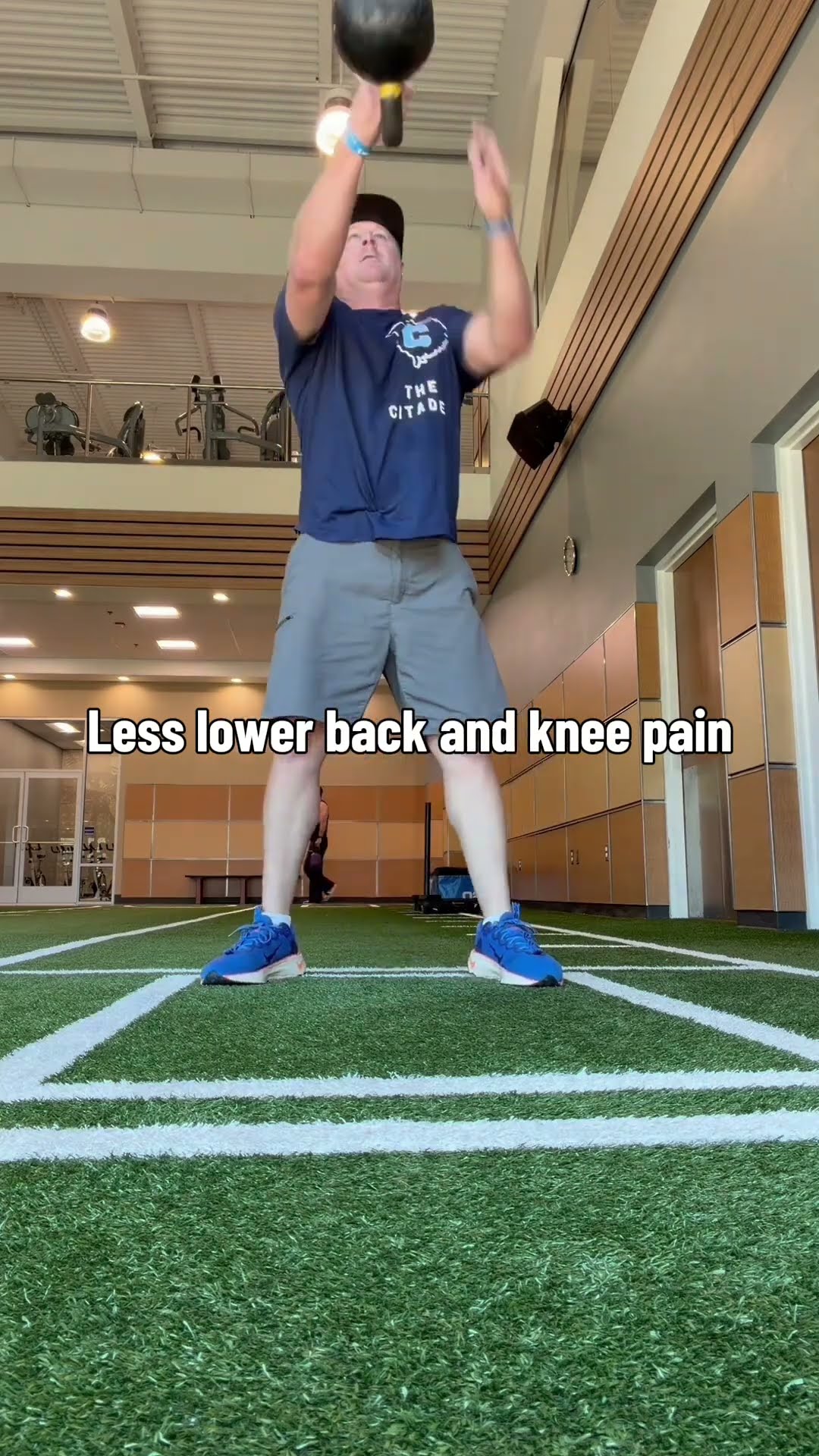
A patient in his mid 40s shows how he is back to moving and training after shockwave therapy and chiropractic care.
Prevention
Tips
Your doctors
Oceanside
Carlsbad (Bressi Ranch)
FAQ
Usually no initially. We refer for imaging when symptoms are severe, mechanical (true locking), or fail conservative care.
Yes — both with the knee directly and with the hip and ankle joints driving the problem.
Many meniscus tears — especially degenerative ones — improve dramatically with rehab. Surgery has fallen out of favor as a first-line option.
Often yes, with reduced volume and specific modifications. We give you a weekly plan.
Yes — particularly for patellar tendinopathy and quadriceps tendinopathy.
Common symptoms include: pain in the front of the knee (around the kneecap); pain on the inside or outside of the knee; pain with squatting, kneeling, or stairs; clicking, popping, or catching; stiffness after sitting; swelling after activity, and feeling of the knee "giving way".
Seek urgent evaluation if you have: inability to bear weight; significant swelling within hours of injury; audible "pop" at the time of injury; knee that locks or gives way repeatedly, and knee pain with fever.
These habits help: strengthen glutes and hip abductors weekly; maintain ankle mobility (calf and front-of-shin); progress running or hiking mileage by 10%/week; don't skip leg day — quads matter; replace shoes regularly, and lose excess weight — it dramatically reduces knee load.
Allow about 45 to 60 minutes for the first visit. Completing intake forms beforehand leaves more time for your history and exam.
Ask the office to check your specific MedPay or personal injury claim. Pacific Spine & Rehab does not participate with most health plans.
Keep reading
Knee
New-patient visit includes exam, diagnosis, and a written treatment plan — same-day appointments most weekdays at our Oceanside and Carlsbad offices.