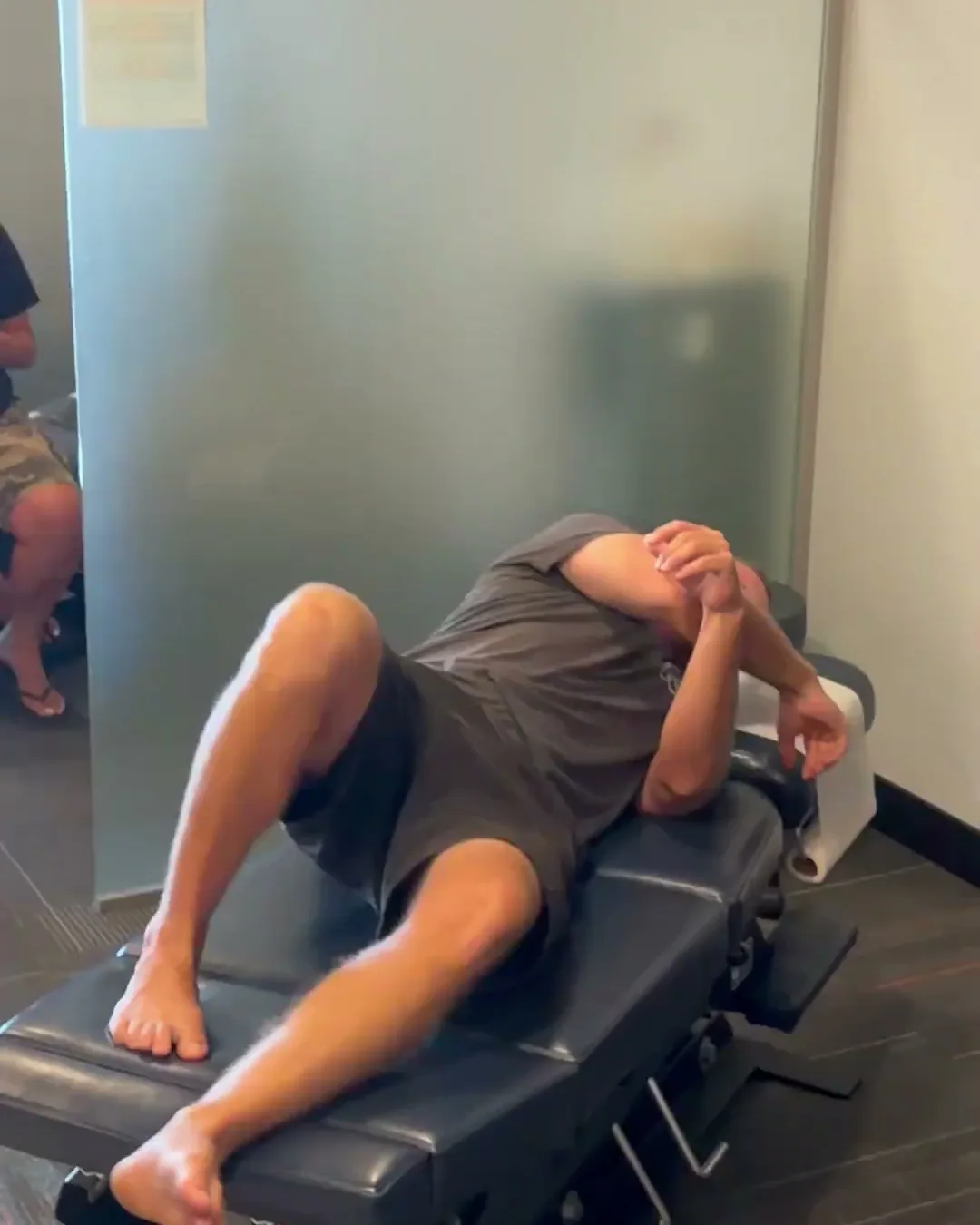
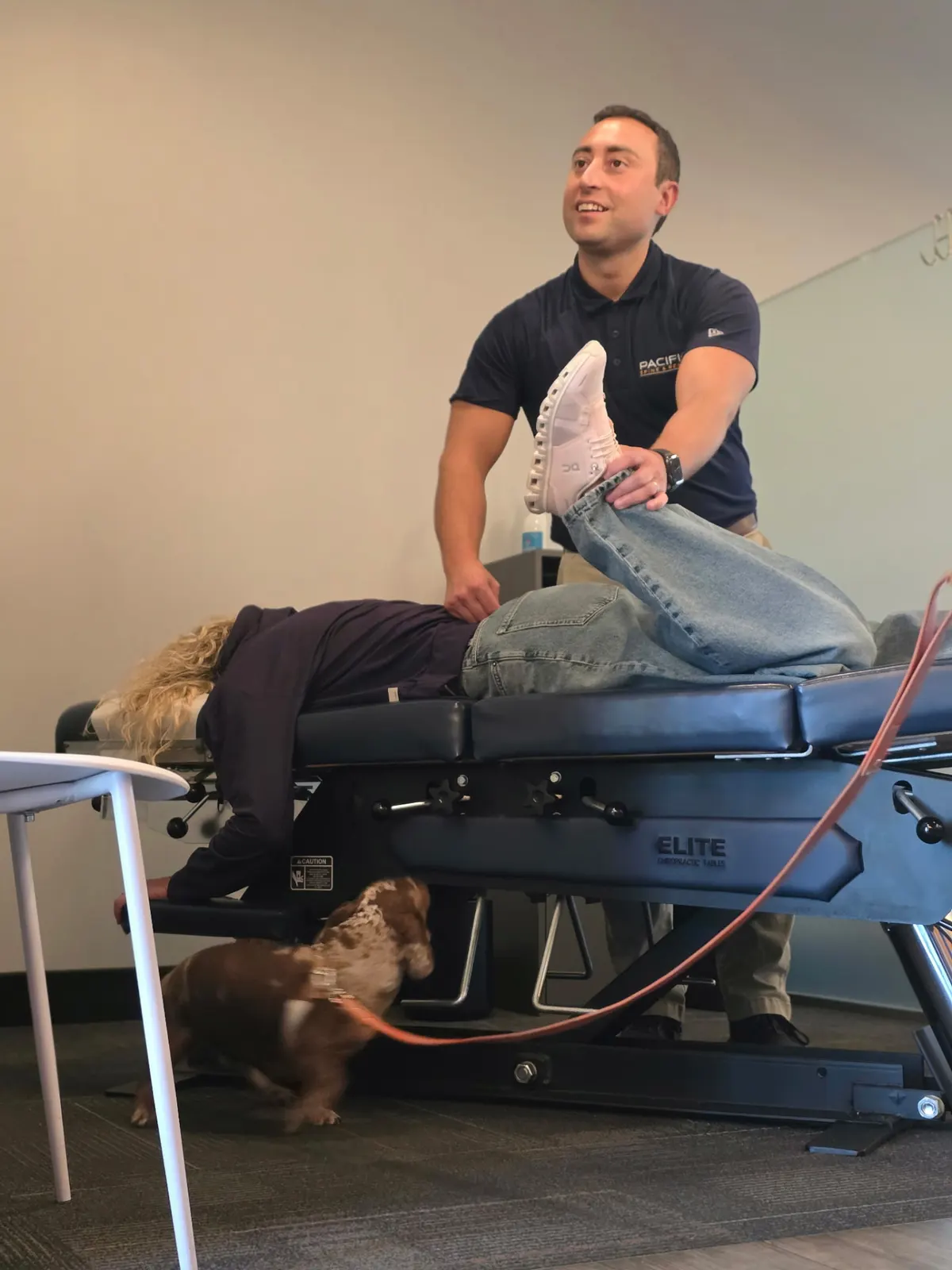
Chiropractic first visit
$49
- Consultation
- Full exam and movement screen
- First chiropractic treatment
For most people with sciatica, gentle walking helps more than rest. Here is how to walk without flaring the nerve, what to avoid, and the warning signs to watch for.
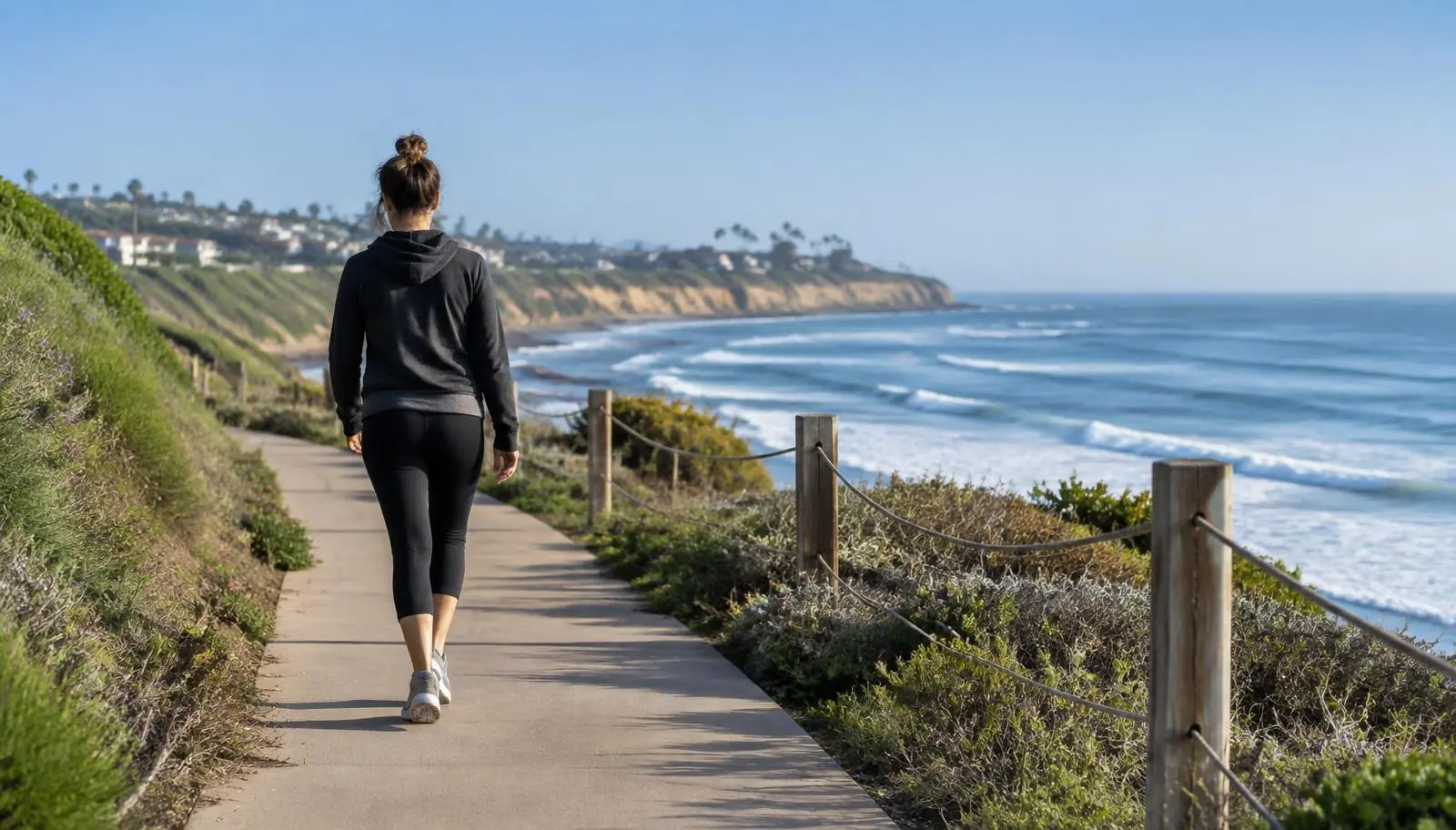
Sciatica is pain that travels from the low back through the buttock and down the leg, usually because a nerve root is irritated by a disc or tight joint. When it flares, the instinct is to lie down and wait. For most people that is the opposite of what helps.
Here is what the evidence says about walking, how to do it without flaring the nerve, and when sciatica needs more than self care.
Ready to get checked? See our sciatica treatment in Oceanside page or the new patient special offers.
Quick answer
Yes, for most people walking is good for sciatica. Short, easy walks on flat ground keep the spine moving, reduce stiffness, and help irritated nerves calm down faster than bed rest. Start with 5 to 10 minutes, stop if pain travels farther down the leg, and seek urgent care for numbness in the groin or bladder changes.
Key takeaways
Walking is low load movement. It gently moves the spinal joints, increases blood flow to irritated tissue, and keeps the hip and back muscles from stiffening around the injury. Clinical guidelines for low back pain recommend staying active and using nondrug options such as heat, massage, and spinal manipulation first (American College of Physicians). The National Institute of Neurological Disorders and Stroke also notes that bed rest is not recommended for most back pain.
Chiropractic first visit
$49
Shockwave first visit
$75
New patients only. Same-day first treatment when appropriate. Personal injury and auto accident claims are billed on lien instead. Available at both offices. See details
Flat routes like the Oceanside Strand or the Carlsbad seawall are easier on a flared nerve than hilly neighborhood streets.
Leg symptoms shrinking back toward the spine usually means the nerve is calming down. Symptoms spreading farther into the calf or foot means shorten the walk and let us check it.
| Good sign | Back off sign |
|---|---|
| Leg pain stays the same or moves up toward the back | Pain spreads farther down the leg |
| Stiffness eases after a few minutes | Numbness or tingling increases |
| You feel looser afterward | Pain is worse the next morning |
Get emergency care right away for
Numbness in the groin or inner thighs, new trouble controlling your bladder or bowels, weakness that is getting worse such as foot drop, sciatica in both legs, or back pain with fever or a history of cancer. These can signal cauda equina syndrome or another serious condition.
At our Oceanside and Carlsbad offices a sciatica visit starts with a neurological exam to find which nerve is involved and why. Treatment may include gentle adjustments or mobilization, soft tissue work, and corrective exercise that teaches you movements that centralize the pain. If findings point to a significant disc herniation or nerve compromise, we refer for imaging or to a specialist. Learn more on our sciatica page and herniated disc page.
Start with 5 to 10 minutes on flat ground and add a few minutes every few days if symptoms stay the same or improve. Several short walks beat one long one.
For most people, walking is better. Brief rest during a bad flare is fine, but staying gently active helps the nerve recover faster than bed rest.
It can if you walk too far, too fast, or on hills early on. If pain spreads farther down the leg, shorten your walks and get an exam.
Many cases improve within 4 to 6 weeks with active care. Cases with significant disc involvement or weakness can take longer and need a professional exam.
If pain lasts more than a week, keeps returning, or affects sleep or work. Go to the ER for groin numbness, bladder changes, or worsening weakness.
Same-day appointments
Get an exam, a diagnosis, and a written plan — two North County offices, treatment on lien for injury cases.
Written by
Dr. Peter Thompson, DC
Doctor of Chiropractic
Dr. Peter Thompson is a doctor of chiropractic at Pacific Spine & Rehab, which has offices in Oceanside and Carlsbad (Bressi Ranch). He writes about back and neck pain, sports injuries, shockwave therapy, and recovery after auto accidents.