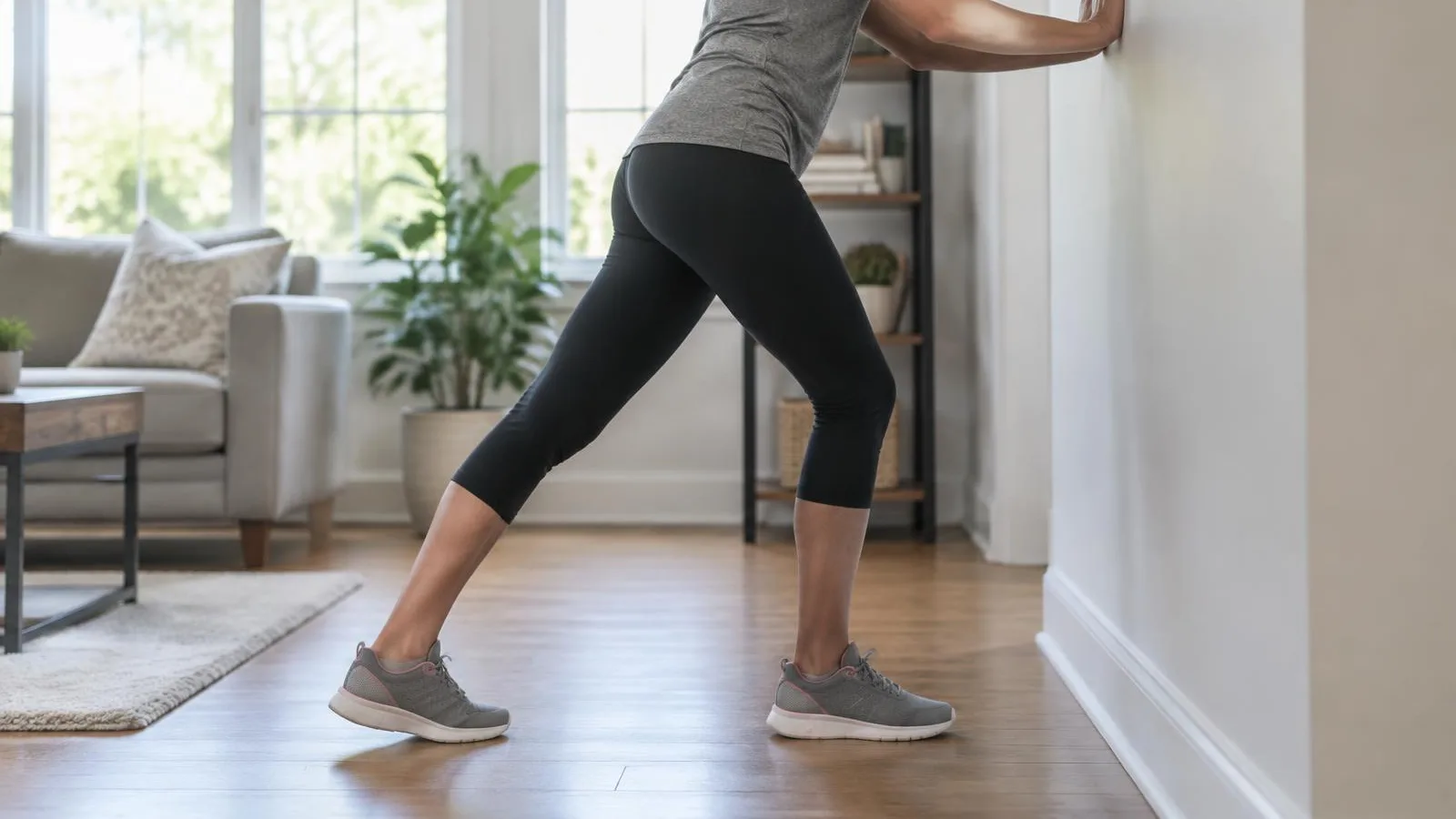
Chiropractic first visit
$49
- Consultation
- Full exam and movement screen
- First chiropractic treatment
Gentle spinal stenosis exercises for home, a simple daily routine, moves to avoid, walking tips and the symptoms that need a doctor first.
If your legs ache, tingle or feel heavy after a few minutes of standing or walking, and the feeling eases when you sit or lean on a cart, lumbar spinal stenosis is a common reason. It is tempting to move less when walking hurts, but staying active with the right exercises is one of the most useful things you can do.
This guide covers the spinal stenosis exercises most people tolerate well at home, why bending forward helps, a simple daily routine, what to avoid, how to keep walking and when symptoms need a doctor. Check with your doctor before starting a new program if you have other health conditions.
Ready to get checked? See our chiropractor in Oceanside page or the new patient special offers.
Quick answer
The best spinal stenosis exercises are gentle forward bending moves such as knees to chest, pelvic tilts and seated forward bends, plus core strengthening and low impact cardio like a stationary bike. Most people with lumbar stenosis feel better leaning forward and worse standing tall or arching back, so start slowly and stop anything that spreads leg symptoms.
Key takeaways
The best spinal stenosis exercises gently bend the lower back forward, strengthen the core and hips and keep you moving with low impact cardio. The American Academy of Orthopaedic Surgeons (OrthoInfo) notes that stretching exercises and lumbar and core strengthening often help manage stenosis symptoms.
Chiropractic first visit
$49
Shockwave first visit
$75
New patients only. Same-day first treatment when appropriate. Personal injury and auto accident claims are billed on lien instead. Available at both offices. See details
Start with 2 or 3 of these and add more as they feel comfortable. Move slowly, breathe normally and stop any exercise that increases leg pain, numbness or tingling.
A simple 15 minute routine, once or twice a day, is enough for most people. Consistency matters more than intensity, and it works well before a walk or after a long period of standing:
| Exercise | How to do it | Start with |
|---|---|---|
| Single knee to chest | Lie on your back with knees bent. Hug one knee gently toward your chest, then switch. | 3 to 5 holds of 15 to 20 seconds per side |
| Double knee to chest | Bring both knees toward your chest and rock gently. | 3 to 5 holds of 15 to 20 seconds |
| Pelvic tilt | Lying with knees bent, flatten your low back into the floor by tightening your stomach, then relax. | 10 slow reps |
| Seated forward bend | Sit in a sturdy chair, feet apart, and slowly bend forward letting your arms hang toward the floor. | 3 to 5 holds of 15 to 20 seconds |
| Dead bug | On your back with knees and hips bent, slowly lower one heel toward the floor while keeping your back flat. | 2 sets of 6 per side |
| Clamshell | Lie on your side with knees bent and lift the top knee while keeping your feet together. | 2 sets of 10 to 12 per side |
| Hamstring stretch with strap | Lie on your back and raise one straight leg with a towel or strap until you feel a mild stretch. | 2 to 3 holds of 20 seconds per side |
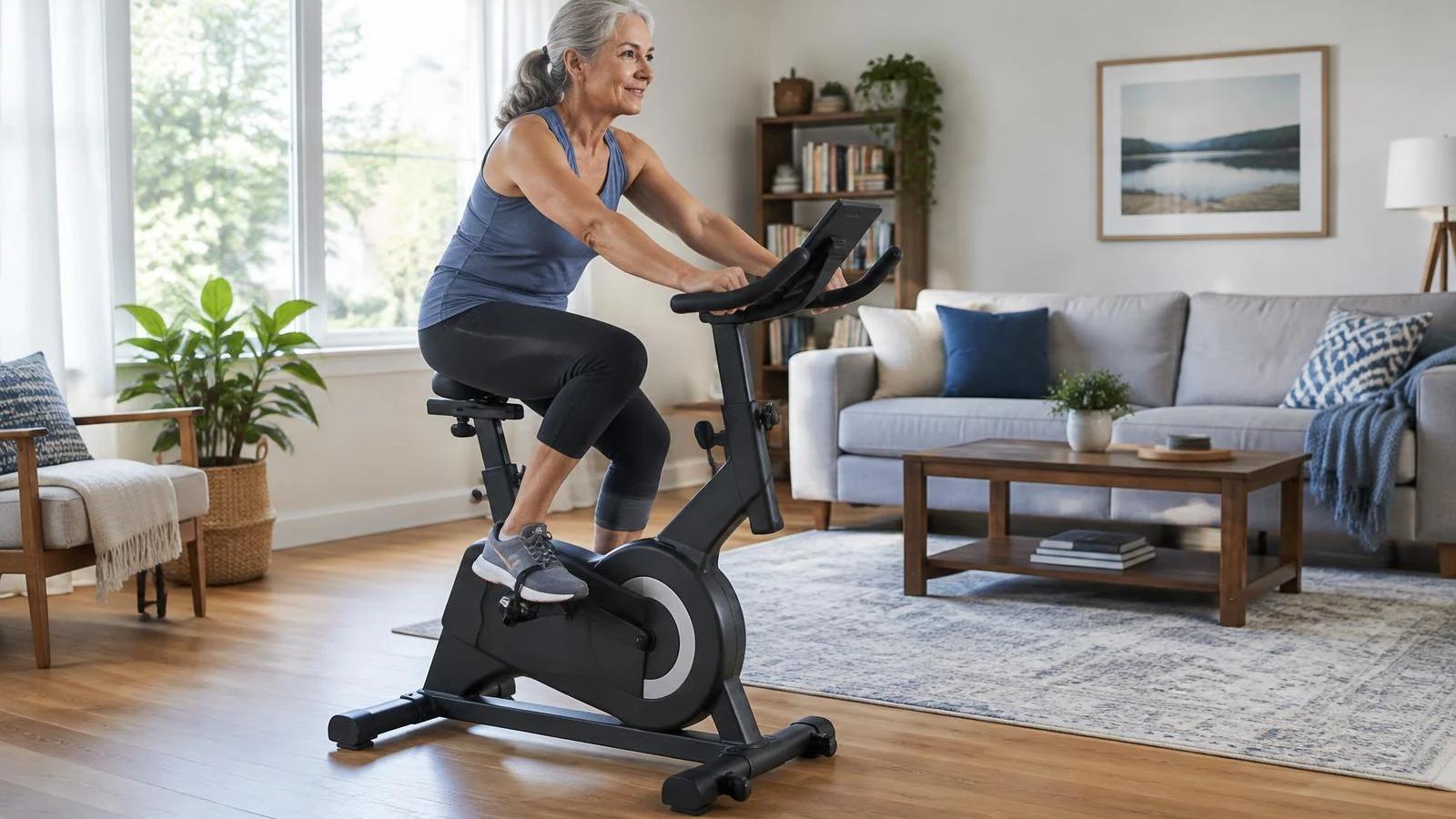
| Stationary bike | Ride at an easy pace, sitting slightly forward. | 5 to 10 minutes, building to 20 to 30 |
Bending forward opens a little more room around the nerves in the lower spine. AAOS notes that studies of the lumbar spine show leaning forward can increase the space available for the nerves, and that people with stenosis often feel better leaning forward or sitting while standing up straight or walking makes the pain worse.
The National Institute of Arthritis and Musculoskeletal and Skin Diseases (NIH) describes the same pattern: walking, standing or extending the lower back can make symptoms worse, while sitting or flexing the lower back may relieve them. That is why many stenosis programs lean on flexion and why your own response matters more than any list. Our spinal stenosis condition page explains the causes and how care is planned.
Movements that arch the lower back or pound the spine are the most common to aggravate stenosis. Avoid them until a provider who has examined you says otherwise.
Yes, in a way that respects your symptoms. AAOS notes that some people with stenosis can ride a stationary bike or walk while leaning on a shopping cart, while walking more than one or two blocks upright may bring on leg pain or weakness. The goal is to keep walking often, in shorter pieces, with positions that give the nerves room.
Our article on whether walking is good for sciatica covers similar ideas for leg pain from the lower back.
Most people do gentle stretches daily and strengthening exercises two to three times a week. MedlinePlus (NIH) notes that a physical therapist can teach stretches and exercises that make your back muscles stronger, and a guided plan lets you progress safely.
Exercise does not widen the spinal canal, but it can improve how far you walk, how long you stand and how often symptoms flare. Many people notice changes over several weeks. If you are not seeing better walking tolerance after a few weeks, or symptoms are steadily worsening, get an exam. Stenosis becomes more common with age and often travels with sciatica type leg pain.
Rarely, severe compression of the nerves at the bottom of the spine causes cauda equina syndrome, which AAOS describes as a medical emergency that needs prompt treatment. MedlinePlus also lists poor balance when walking, worsening numbness and weakness of a limb and problems controlling urine or bowel movements as serious symptoms that need prompt attention.
Go to the emergency room if you have
Numbness in the groin, buttocks or inner thighs, new trouble controlling your bladder or bowels, or rapidly worsening weakness in one or both legs. See a doctor promptly for worsening balance, steadily spreading numbness, or back pain with fever or unexplained weight loss.
If you want a program built around your own symptoms, an exam checks how your back moves, your strength, reflexes and sensation, and which positions ease or provoke your legs. Care may combine gentle chiropractic care, soft tissue work, corrective exercise and rehab therapy to build walking tolerance. If imaging or a medical opinion makes sense, we refer. Our lower back pain page covers related problems.
Pacific Spine & Rehab treats patients with spinal stenosis at our Oceanside office on Vista Way and our Carlsbad office in Bressi Ranch. New patients can start with the $49 New Patient Special, and our pricing page lists what it includes. We offer same day visits most weekdays, free parking and Spanish spoken.
No. Exercise does not widen the spinal canal or remove the changes that narrow it. What it can do is improve core and hip strength, flexibility and walking tolerance, which often means fewer and milder symptoms. Many people stay active for years with a consistent program and care when flares happen.
Often, yes. Cycling keeps you in a slightly forward bent position, which many people with lumbar stenosis tolerate better than upright walking. AAOS notes that some people with stenosis can ride a stationary bike comfortably. Start with 5 to 10 easy minutes and build gradually toward 20 to 30 minutes.
Water exercise is gentle on the spine and many people with stenosis tolerate it well, especially pool walking and water aerobics. Some strokes, such as breaststroke with the head lifted, arch the low back and may bother symptoms. Choose the activities that leave your legs feeling better afterward, not worse.
Gentle hamstring stretching lying on your back with a strap is usually well tolerated and can make bending and walking easier. Avoid forceful standing toe touches during a flare. Hold a mild stretch for about 20 seconds and stop if it sends tingling or pain down the leg.
A chiropractor can help many people manage stenosis symptoms with gentle joint and soft tissue care, flexion based exercise and walking strategies. Care does not change the narrowing itself. If you have significant weakness, balance problems or bladder or bowel changes, you need a medical evaluation first.
Same-day appointments
Get an exam, a diagnosis, and a written plan — two North County offices, treatment on lien for injury cases.
Written by
Dr. Peter Thompson, DC
Doctor of Chiropractic
Dr. Peter Thompson is a doctor of chiropractic at Pacific Spine & Rehab, which has offices in Oceanside and Carlsbad (Bressi Ranch). He writes about back and neck pain, sports injuries, shockwave therapy, and recovery after auto accidents.