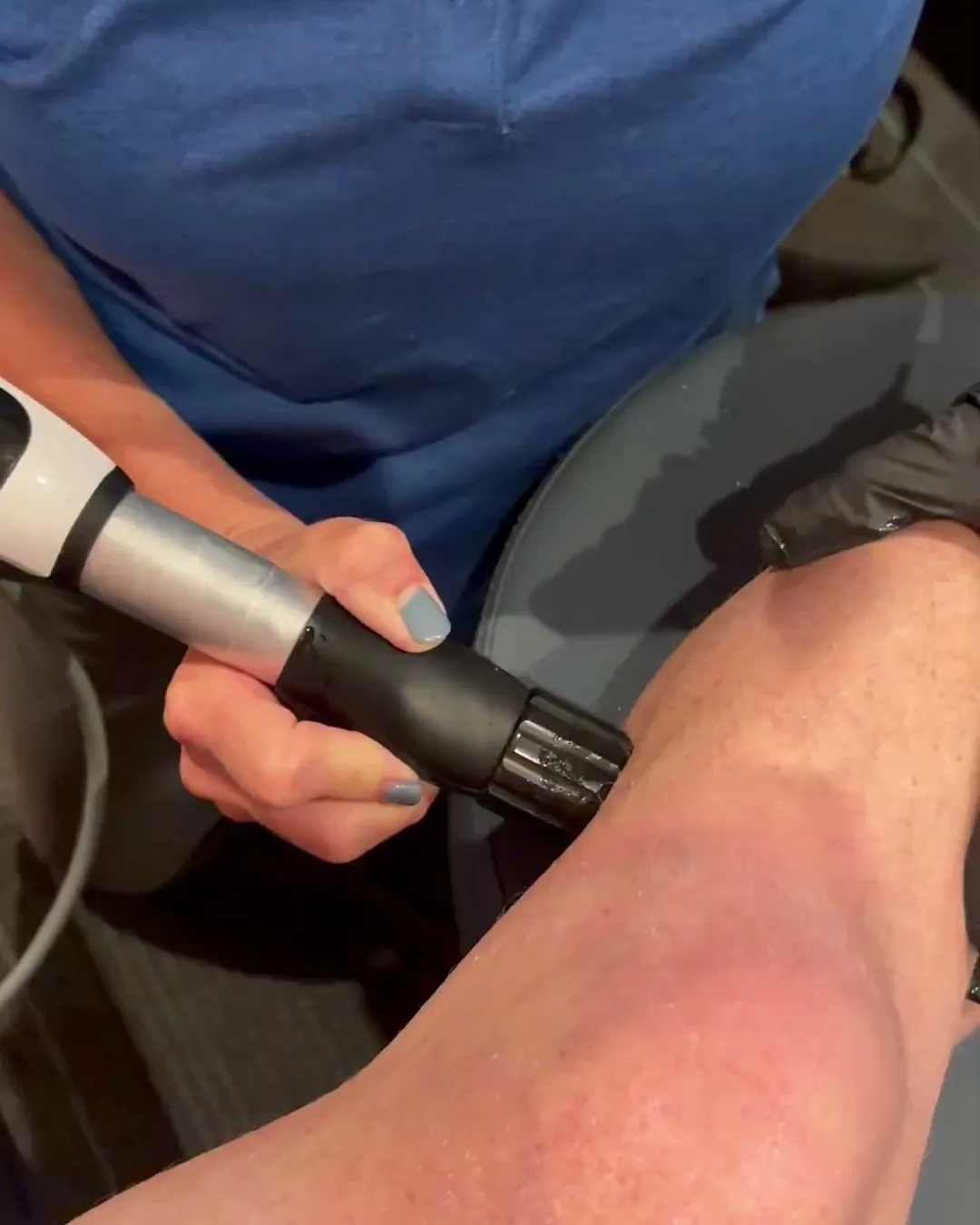
Shockwave first visit
$75
- Consultation
- Exam
- First shockwave therapy treatment
The calf and arch stretches that help plantar fasciitis, a simple morning routine, how long they take to work and when heel pain needs an exam.
If your heel feels like it is full of glass for the first few steps out of bed, then eases as you walk around, plantar fasciitis is the most common reason. The plantar fascia is a thick band along the bottom of the foot, and when it gets irritated, a tight calf and a tight arch tend to make it worse.
The good news is that plantar fasciitis stretches are simple, free and well supported. This guide covers the stretches that help most, when to do them, how long they take to work, the mistakes that slow recovery and the signs your heel pain needs a professional look.
Ready to get checked? See our shockwave therapy in Oceanside page or the new patient special offers.
Quick answer
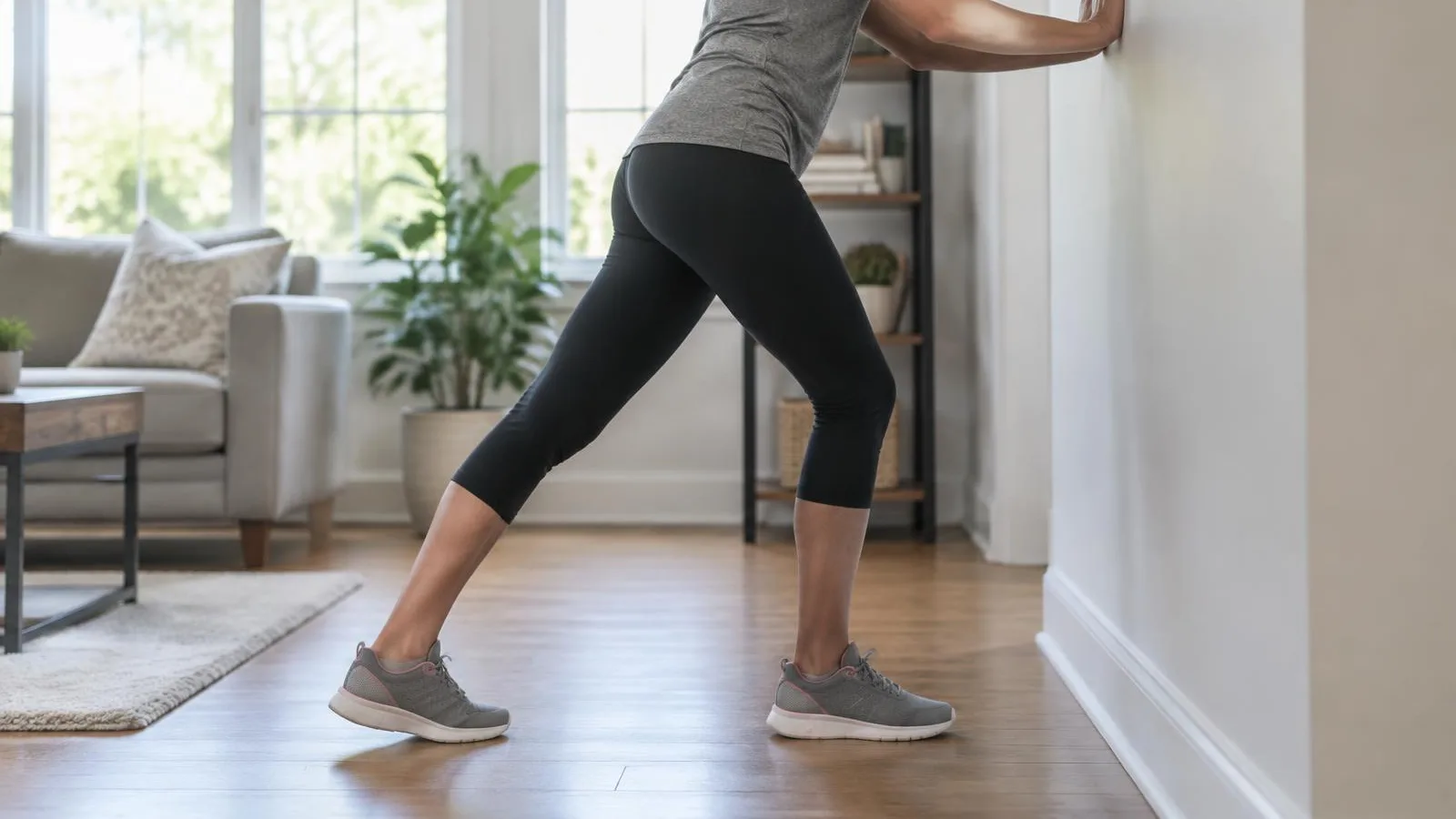
The plantar fasciitis stretches that help most are a wall calf stretch and a seated arch stretch, done before your first steps in the morning and again later in the day. Hold each gentle stretch about 10 seconds and repeat it several times. Most people improve with simple home care, but it often takes weeks to months.
Key takeaways
The plantar fasciitis stretches that work best target the calf and the arch, because a tight calf pulls on the heel and the plantar fascia. The American Academy of Orthopaedic Surgeons (OrthoInfo) recommends a wall calf stretch and a plantar fascia stretch, each held about 10 seconds and repeated up to 20 times per foot.
Shockwave first visit
$75
Chiropractic first visit
$49
New patients only. Same-day first treatment when appropriate. Personal injury and auto accident claims are billed on lien instead. Available at both offices. See details
You do not need to do every stretch below. Pick 2 or 3 that feel comfortable and do them consistently. A mild pulling feeling is right. Sharp heel pain means ease off.
| Stretch | How to do it | Start with |
|---|---|---|
| Wall calf stretch (straight knee) | Hands on a wall, sore foot back, heel down and knee straight. Lean forward until you feel the calf stretch. | Hold 10 seconds, repeat 10 to 20 times |
| Wall calf stretch (bent knee) | Same position, but bend the back knee slightly to stretch the lower calf near the Achilles. | Hold 10 seconds, repeat 10 times |
| Seated plantar fascia stretch | Sit, cross the sore foot over the other knee and pull the toes back toward the shin until the arch feels tight. | Hold 10 seconds, repeat 10 to 20 times |
| Towel stretch for plantar fasciitis | Sit with the leg straight, loop a towel around the ball of the foot and gently pull the toes toward you. | Hold 10 to 20 seconds, repeat 5 times |
| Step stretch | Stand on a stair with your heels off the edge and slowly let them drop below the step while holding the rail. | Hold 10 seconds, repeat 5 to 10 times |
| Arch roll | Seated, roll the arch over a water bottle or ball with light pressure, from heel to toes. | 1 to 2 minutes per foot |
Do your first round of plantar fasciitis stretches in the morning before you stand up, then repeat once or twice later in the day. AAOS notes the plantar fascia stretch is best done in the morning before standing or walking, which is exactly when plantar fasciitis pain is usually worst.
A short session before bed and after long periods of sitting helps too, because the fascia tightens whenever the foot rests. This simple routine takes about 5 minutes:
Most people notice the morning pain easing within a few weeks of daily stretching, but full recovery usually takes months. AAOS reports that more than 90% of people with plantar fasciitis improve within 10 months of starting simple treatment such as stretching, rest from aggravating activity and supportive shoes.
That timeline frustrates a lot of runners and people who are on their feet at work, but it is normal. Track your first steps each morning on a 0 to 10 scale. If the number trends down over a few weeks, keep going. If nothing changes after 6 to 8 weeks of consistent work, an exam can look for what is holding you back. Our plantar fasciitis condition page explains causes, risk factors and how care is planned.
The most common mistakes are stretching too hard, stretching only once a day and walking barefoot on hard floors right after. Avoid these while your heel calms down:
Stretching works best as part of a simple plan that also reduces load on the heel and builds foot and calf strength. AAOS lists rest from aggravating activities, ice, supportive shoes, night splints and physical therapy among nonsurgical options, and notes that a night splint stretches the plantar fascia while you sleep.
Strength matters too. Calf raises, toe curls and short foot exercises help the foot handle load again, and a guided corrective exercise program progresses them safely. If heel pain has lasted 6 months or more despite good home care, shockwave therapy may be worth discussing. Our article on shockwave therapy for plantar fasciitis explains what the research and FDA approval say. AAOS notes surgery is generally reserved for people who have not improved after 12 months of nonsurgical treatment.
Plantar fasciitis usually hurts at the bottom of the heel, worst with the first steps in the morning or after rest. Pain that behaves differently may be something else, such as a stress fracture, an Achilles problem or an irritated nerve, and stretching will not fix those. Running related heel pain often travels with other sports injuries, so a full exam looks at the whole leg.
See a doctor promptly or go to urgent care if you have
Heel pain after a fall or a pop, inability to put weight on the foot, swelling, redness or warmth with fever, numbness or tingling in the foot, pain that is worse at night or at rest, or a foot wound that is not healing, especially if you have diabetes.
If stretching alone has not settled your heel, an exam checks your foot mechanics, calf and ankle mobility, hip strength and the way you walk, then builds a plan around what it finds. Care may combine soft tissue work, mobility work, a home program and shockwave when it fits. If you have red flags or need imaging, we refer.
Pacific Spine & Rehab treats heel pain at our Oceanside office on Vista Way and our Carlsbad office in Bressi Ranch. New patients can start with the $49 New Patient Special, or the $75 shockwave new patient special when shockwave is a good fit. Our pricing page lists what each includes. We offer same day visits most weekdays, free parking and Spanish spoken.
A short round of calf and arch stretches before bed is reasonable and can make the first steps the next morning a little easier. It does not replace the morning session, which matters most. A night splint is another option your provider may suggest to keep the fascia gently stretched while you sleep.
Gentle walking in supportive shoes is usually fine and keeps you active. Long walks on hard surfaces, hiking or running during a flare can keep the heel irritated. Shorten your walks, choose softer surfaces and build back gradually as morning pain improves. Pain that makes you limp means cut back.
Rolling the arch over a water bottle or ball with light to moderate pressure can ease tightness and feels good for many people. A frozen water bottle adds cooling. Keep pressure comfortable and avoid digging hard into the most painful spot on the heel, which can aggravate it.
Yes. A tight calf and Achilles tendon increase tension on the plantar fascia, so calf stretches are one of the most recommended parts of home care. Stretch with the knee straight and again with it slightly bent to reach both calf muscles, holding each stretch for about 10 seconds.
It often improves with simple care over time. AAOS reports more than 90% of people improve within 10 months of starting treatment such as stretching and supportive shoes. Ignoring it and continuing the activity that triggered it tends to stretch out recovery, so start home care early.
Same-day appointments
Get an exam, a diagnosis, and a written plan — two North County offices, treatment on lien for injury cases.
Written by
Dr. Peter Thompson, DC
Doctor of Chiropractic
Dr. Peter Thompson is a doctor of chiropractic at Pacific Spine & Rehab, which has offices in Oceanside and Carlsbad (Bressi Ranch). He writes about back and neck pain, sports injuries, shockwave therapy, and recovery after auto accidents.