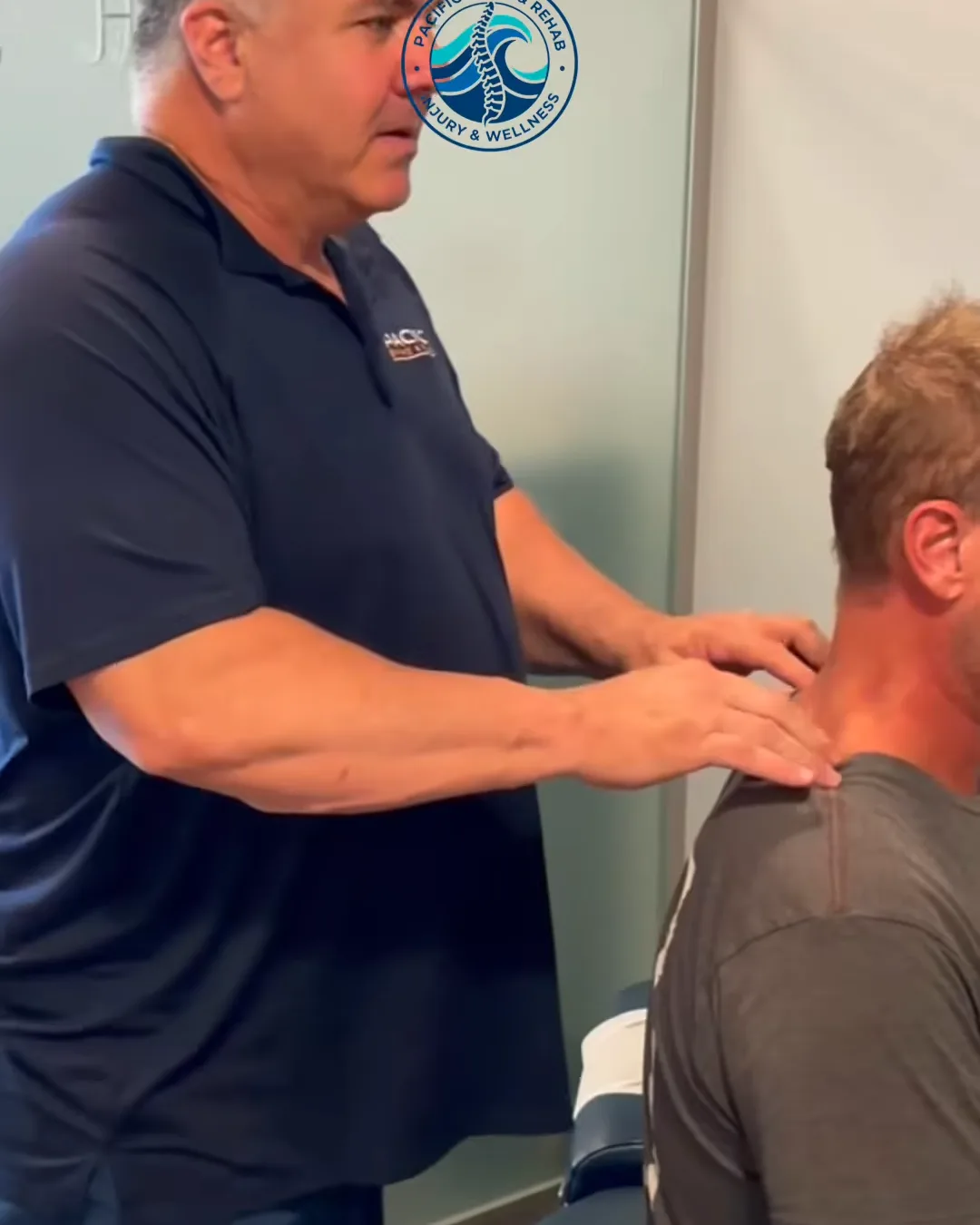
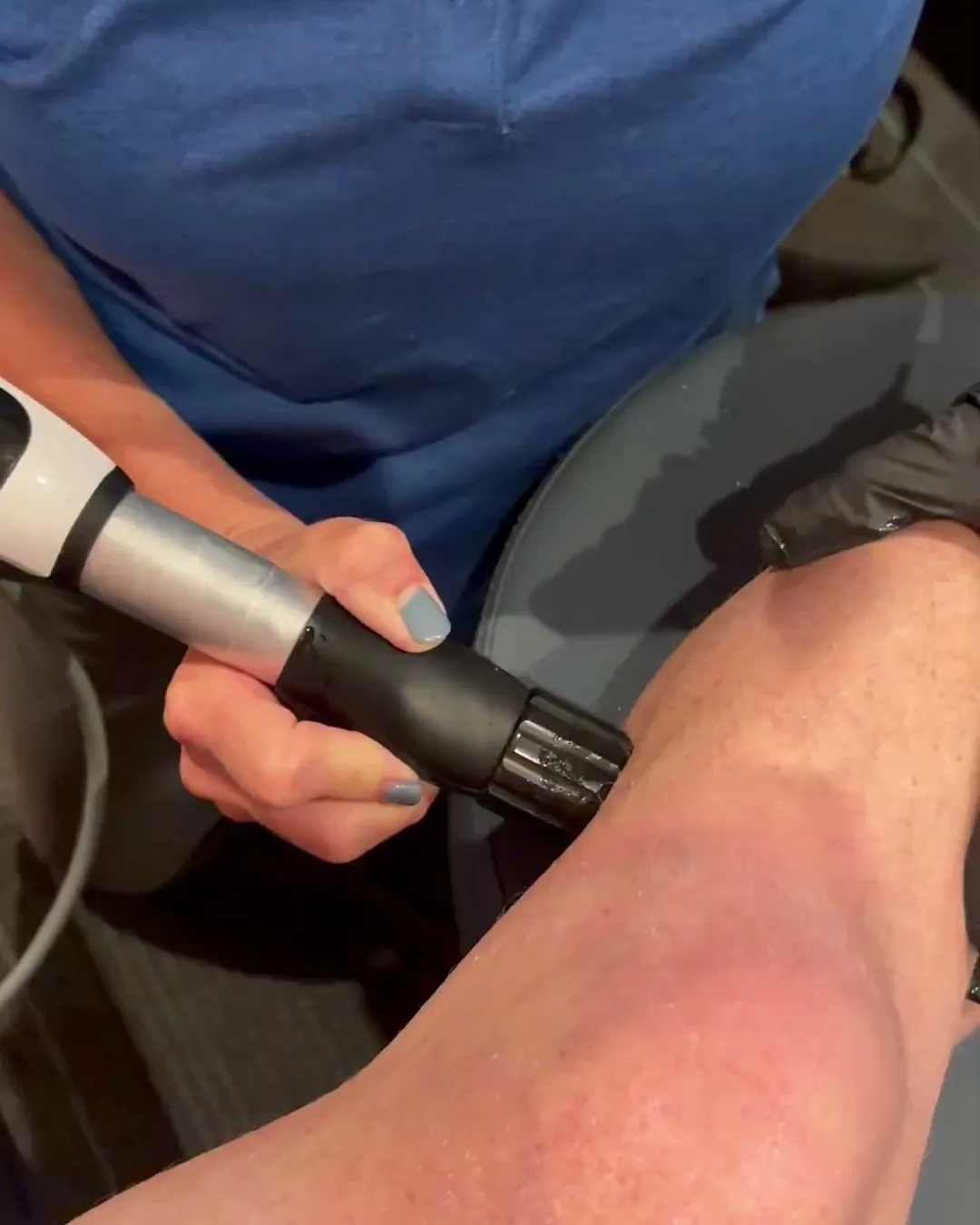
Chiropractic first visit
$49
- Consultation
- Full exam and movement screen
- First chiropractic treatment
The adjustment worked, the pain left for a week, then a long drive brought it back. That cycle has a cause. Here is why relapse happens and what makes relief hold.
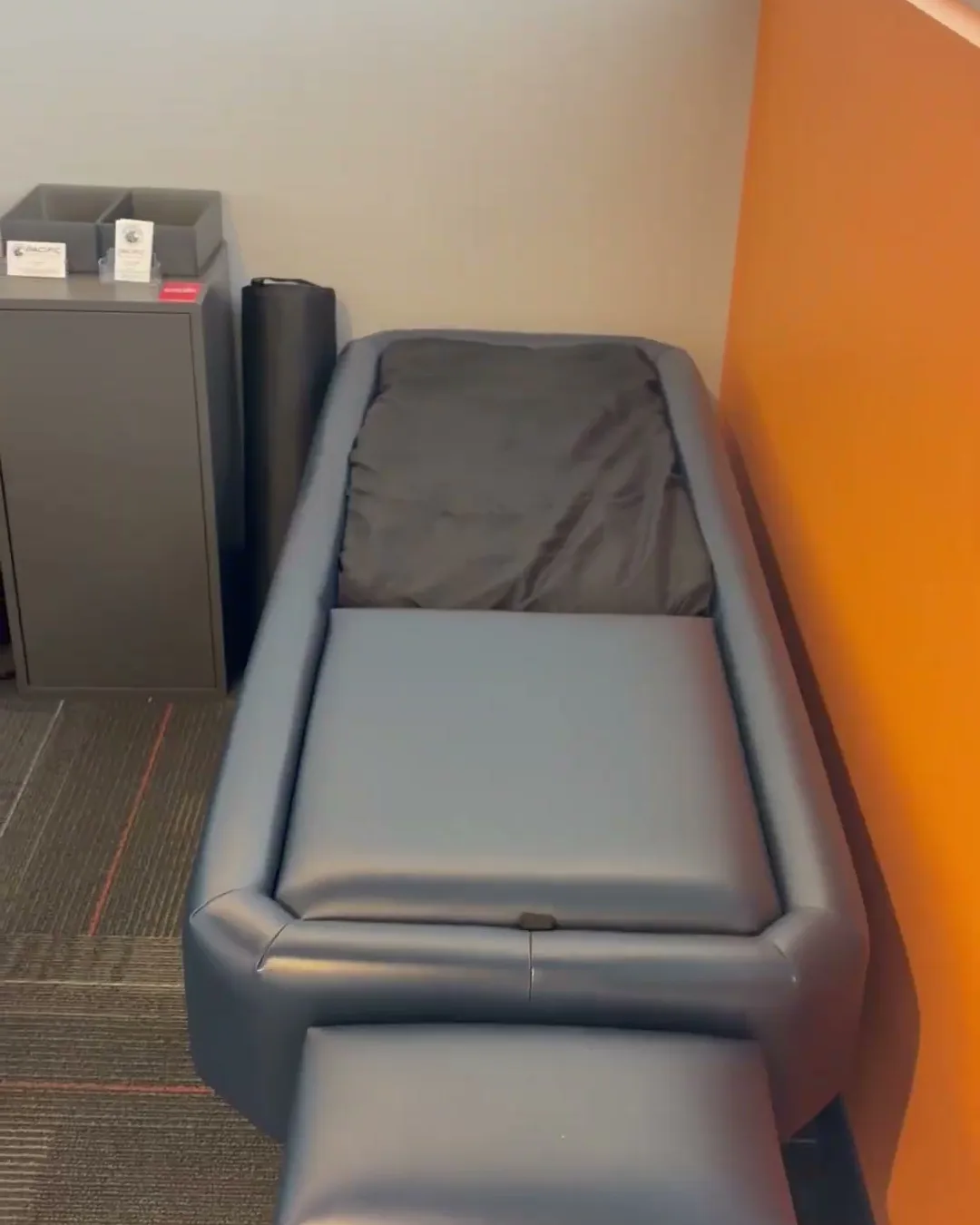
Almost everyone who asks why back pain keeps coming back has lived the same pattern. The adjustment worked, the pain left for a week or two, and then a long drive or a heavy lift brought it right back. That cycle is not a failure of the adjustment. It is what happens when the joint gets its motion back but nothing rebuilds the muscle control around it. Rehab therapy exists to close that gap.
This guide covers what rehab actually includes, the three phases of a plan and how long each takes, the exercises used at each stage, how progress is measured, what it costs, and the signs that a plan needs to change.
Ready to get checked? See our back pain treatment in Oceanside page or the new patient special offers.
Quick answer
Back pain returns after adjustments when joint motion is restored but the muscles around the joint never rebuild the strength and control to hold it. Adding corrective exercise, soft tissue work, and movement retraining closes that gap. Most people move through pain relief, stabilization, and strengthening over six to twelve weeks.
Key takeaways
Chiropractic rehab is the combination of hands-on care and prescribed exercise inside a single treatment plan. The chiropractic side restores joint motion and reduces pain. The rehab side retrains the muscles, timing, and movement patterns that let the joint hold that position under real-world load — carrying groceries, sitting through a commute, paddling out at Harbor Beach.
Chiropractic first visit
$49
Shockwave first visit
$75
New patients only. Same-day first treatment when appropriate. Personal injury and auto accident claims are billed on lien instead. Available at both offices. See details
Exercise therapy is a core part of conservative care for chronic low-back pain, and the National Institute of Neurological Disorders and Stroke notes that staying active and strengthening supporting muscles improves long-term outcomes more than rest.
In practice a rehab visit looks different from a straight adjustment visit. You spend part of the appointment on the table and part on a mat or at a rack, being coached through movements that are deliberately unglamorous: hip hinges, dead bugs, banded rows, single-leg balance. The point is control, not intensity.
Rehab is not general exercise
A gym program builds strength you already have access to. Rehab restores the movement you have lost — which is why the first exercises look almost too easy. Loading a joint that cannot yet control itself is how people re-injure.
When a joint is painful, the muscles around it guard. That guarding shuts down deep stabilizers — the small muscles that hold a segment steady — and larger muscles take over the job badly. An adjustment releases the restriction, but the faulty pattern is still there the moment you stand up and walk out.
This is why relief from hands-on care alone often lasts days rather than months. The table below shows the difference in outcome between the two approaches for the conditions we see most.
| Approach | What it does well | Where it falls short |
|---|---|---|
| Adjustments only | Fast pain relief, restored joint motion | Relief fades once normal loading resumes |
| Exercise only | Builds strength over time | Slow when a joint is restricted or acutely painful |
| Chiropractic rehab | Restores motion, then trains the body to keep it | Requires daily home work and 6–12 weeks of consistency |
Rehab adds the most value where the problem is recurring, load-related, or post-injury — anywhere the tissue has healed but the movement has not normalized.
| Condition | What rehab targets | Typical plan length |
|---|---|---|
| Recurring lower back pain | Hip mobility, core control, safe hinge pattern | 8–12 weeks |
| Neck pain and tech neck | Deep neck flexors, scapular control, desk setup | 6–10 weeks |
| Sciatica | Nerve glides, glute strength, sitting tolerance | 6–12 weeks |
| Whiplash after a crash | Graded range of motion, then endurance work | 8–16 weeks |
| Shoulder pain | Rotator cuff endurance, thoracic mobility | 8–12 weeks |
| Sports injuries | Return-to-activity progression and load tolerance | 6–12 weeks |
Each phase has an exit criterion rather than a fixed date — you move on when you can do the phase's movements well, not when the calendar says so. Our corrective exercise program covers the specific progressions used in phases two and three.
The home program is the plan
Ten to fifteen minutes daily at home does more than an extra office visit each week. Patients who do the home work consistently finish plans faster and relapse far less often.
Pain is a poor sole metric — it fluctuates with sleep, stress, and weather. A rehab plan should track function alongside it, and you should be told the numbers.
| Measure | How it is tested | What improvement looks like |
|---|---|---|
| Range of motion | Degrees of bend, rotation, or reach | Steady gains week over week |
| Pain with activity | 0–10 scale during a specific task | Lower score at the same or higher load |
| Endurance | Timed plank, bridge, or balance hold | Longer holds with good form |
| Daily function | Sitting, driving, lifting, sleeping tolerance | Fewer restrictions in normal life |
New patients start with a $49 exam and first treatment at either North County office, detailed on our new patient special offers page. From there, a written plan states the number of visits and the review point before care continues.
We do not participate with most health plans, so new patients start with the $49 New Patient Special and ongoing visit costs are quoted in writing. Car-accident patients are treated on a lien in California, so rehab starts immediately and is paid from the settlement.
Chiropractors in California are licensed by the California Board of Chiropractic Examiners, and rehabilitative exercise falls within that scope of practice.
Self-directed stretching is reasonable for ordinary stiffness. Book an exam when pain keeps returning, limits activity, or has lasted more than two weeks, because recurring pain is a pattern problem and patterns need to be assessed rather than guessed at.
Some symptoms require medical evaluation before any rehab begins. The National Center for Complementary and Integrative Health advises consulting a physician when back pain is accompanied by neurological symptoms.
If you are unsure whether rehab is the right next step, send us a message with your symptoms and a doctor will tell you honestly whether this is our problem to solve or one for a physician.
At our Carlsbad office in Bressi Ranch, patients who relapse most often are the ones who stopped after the pain left. Adding the strengthening phase is usually what ends the cycle.
Both of our North County offices run the same approach. You can book with a chiropractor in Oceanside on Vista Way or a chiropractor in Carlsbad in Bressi Ranch, whichever is closer to you.
Regular chiropractic care focuses on hands-on treatment: adjustments, soft-tissue therapy, and modalities that restore joint motion and reduce pain. Chiropractic rehab adds prescribed corrective exercise and movement retraining to that same plan. The adjustment gives the joint its motion back; the rehab teaches the surrounding muscles to hold it under real-world load. In practice, a rehab appointment splits time between the treatment table and a mat or rack, and you leave with a short daily home program. The combination is what stops pain from cycling back every few weeks.
Most plans run six to twelve weeks across three phases. The first one to two weeks calm the pain with hands-on care and gentle movement. Weeks three to six build stability and control. Weeks six to twelve add progressive strength and return you to full activity. Simple, recent problems can finish in six weeks. Post-accident injuries, long-standing recurring pain, and disc-related cases often take twelve to sixteen. Each phase has an exit criterion based on what you can do, so you advance on function rather than on a fixed calendar. Usually yes, with modifications. We would rather adjust your training than stop it, because deconditioning slows recovery. Typically that means pausing the specific loaded movements that aggravate the injured area — heavy deadlifts for an acute low back, overhead pressing for an irritated shoulder — while keeping cardiovascular work, walking, and unaffected lifts. As you progress through the stabilization and strengthening phases, those movements come back deliberately, often with better technique than before the injury.
Yes, and it is the part that decides the outcome. The home program is usually ten to fifteen minutes a day, two to four movements at a time, and it matters more than adding extra office visits. The exercises are chosen so you can do them without equipment in a small space. Patients who complete the home program consistently finish their plans faster, need fewer total visits, and relapse far less often than those who rely on in-office treatment alone. Correctly prescribed rehab should not increase pain beyond mild muscle fatigue or next-day soreness. Early-phase exercises are deliberately low-load for exactly this reason — a joint that cannot yet stabilize itself is not ready for resistance. If an exercise reproduces your sharp pain, produces numbness or tingling, or leaves you worse the following day, stop it and tell the office. That feedback changes the prescription. Pain that spikes rather than gradually settles is information, not something to push through.
We do not participate with most health plans, including TRICARE. New patients start with the $49 New Patient Special, which covers the exam and first treatment, and ongoing costs are quoted in writing. If your injury came from a car accident, California allows treatment on a lien — care starts right away and is paid from the settlement rather than out of pocket.
Look at function, not only pain. By the fourth to sixth visit you should see measurable change in at least two areas: range of motion, how long you can sit or stand comfortably, endurance holds, or the specific activity that brought you in. Pain scores often lag function by a couple of weeks, so improving movement with unchanged pain is still progress. If nothing has moved by visit six, the plan should change — a different technique, imaging, or a referral, not simply more of the same.
Same-day appointments
Get an exam, a diagnosis, and a written plan — two North County offices, treatment on lien for injury cases.
Written by
Dr. Peter Thompson, DC
Doctor of Chiropractic
Dr. Peter Thompson is a doctor of chiropractic at Pacific Spine & Rehab, which has offices in Oceanside and Carlsbad (Bressi Ranch). He writes about back and neck pain, sports injuries, shockwave therapy, and recovery after auto accidents.